

Key takeaways
- Choose a full face helmet if you ride at higher speeds, on highways or in cold, wet or noisy conditions.
Choose a full face helmet if you ride at higher speeds, on highways or in cold, wet or noisy conditions, because it covers the whole head including the chin and face. Choose an open face helmet if you ride mostly slow city streets, scooter routes or relaxed cruiser rides and value airflow, visibility and a classic look, while accepting that it leaves the face uncovered.
That is the short version, and the details decide the rest. Fit, ride type, climate, budget and personal comfort all pull in different directions, and no helmet removes risk. This guide compares both styles side by side, explains the practical trade-offs, and gives you a checklist to run before you buy. For personal safety advice, a qualified motorcycle shop or riding instructor can check fit and help you match a helmet to how you ride.
What Each Helmet Type Actually Covers
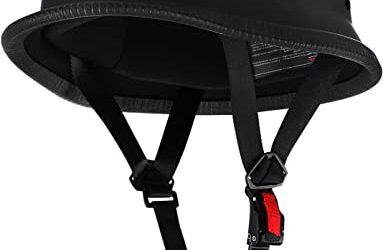
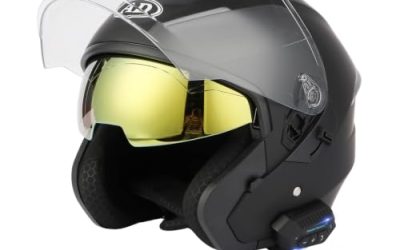
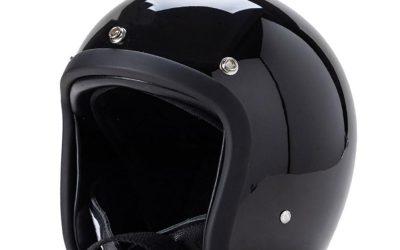
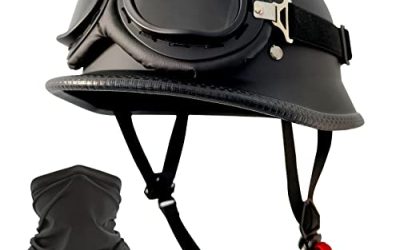
A full face helmet wraps the skull, the cheeks, the jaw and the chin in a single rigid shell, with a visor over the eyes and a chin bar below. An open face helmet, often called a 3/4 helmet, covers the top, sides and back of the head but leaves the face open, usually with an optional visor or snap-on shield. A half helmet goes even smaller, covering mainly the top of the head. The coverage difference is the main reason for the safety debate, and it is why riders who care about face and jaw protection lean toward full face designs.
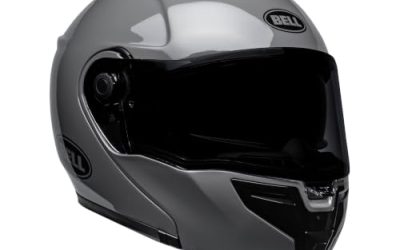
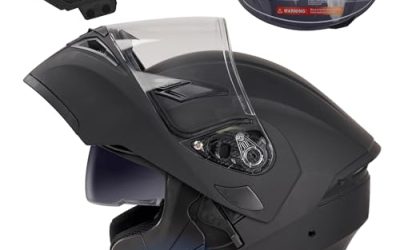
Modular or flip-up helmets sit in between. They have a full chin bar that lifts or removes, which gives some of the convenience of open face with more coverage when the chin bar is closed. They are heavier and more complex, and the hinge adds a point to check for fit and wear.
Where Each Style Makes Sense
Full face for speed, distance and weather
Full face helmets suit highway riding, sport bikes, adventure rides and long trips. The closed shell blocks wind, rain, bugs and debris, and many models reduce wind noise better than open designs. They also suit cold climates, since the chin bar keeps your face warmer. If you ride fast or far, or often ride in poor weather, the extra coverage is the main reason to choose them.
Open face for city streets and relaxed rides
Open face helmets are common on scooters, mopeds and cruisers. They offer a wider view, easier airflow, simple on and off for short trips and an easy way to talk to a friend or sip water. They are also easier to wear with glasses in many cases. Riders who stay below highway speeds and ride mostly in warm weather often prefer them, though many also wear eye protection or a visor to keep wind and grit out of their eyes.
Comfort, communication and daily habits
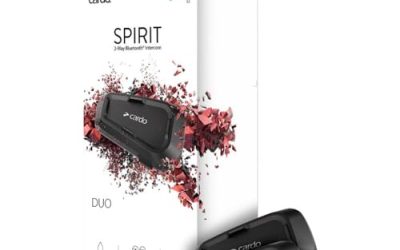
Open face designs feel less confining, which helps riders who dislike a closed shell. Full face helmets can feel stuffy in heat but offer better wind and noise protection. If you use a Bluetooth headset or intercom, check that your helmet has space for the speakers. If you wear glasses, try them on with the helmet before you commit.
Cost and upkeep
Open face helmets usually cost less and have fewer parts, while full face helmets add a chin bar, a vent system and often a more complex visor. In either case, the better value comes from a helmet that fits well and that you will actually wear every ride. Replace any helmet after a hard impact and after the age recommended by its maker, even if it looks fine.
Side-by-Side Comparison
| Factor | Full face | Open face (3/4) |
|---|---|---|
| Face and jaw coverage | Full coverage | None |
| Wind and weather | Strong protection | Exposed face, eye protection needed |
| Noise level | Often quieter | Often louder at speed |
| Airflow in heat | Depends on vents | Naturally open |
| Field of view | Narrower, framed by the shell | Wider |
| Glasses and quick on-off | Can be tricky | Easier |
| Typical use | Highway, sport, touring, bad weather | City, scooter, cruiser, short rides |
| Weight and complexity | Heavier, more parts | Lighter, simpler |
How to Make the Final Call
Start with how you really ride. Write down your usual speed, trip length and weather. If your trips include highways, long rides or cold mornings, full face is the more sensible baseline. If your rides are short, slow and in warm conditions, open face may fit your habits, as long as you accept the lack of face protection. Many riders own both, using a full face helmet on fast days and an open face helmet around town.
Next, look at fit more than style. A helmet that shifts or pinches will distract you and may not protect as intended, whichever shell you choose. Measure your head, try several sizes and shapes, and walk around the shop for a few minutes with the strap done up. Different brands fit different head shapes, such as rounder or longer ovals, so a helmet that fits a friend may not fit you.
Finally, check the safety marking. In the United States, look for the DOT label on the helmet itself, and some riders also look for additional certifications. Standards vary by region, so confirm what applies where you ride. Looking ahead to the 2026 riding season, plan to inspect your helmet’s strap, buckle and liner, and replace it if anything looks worn or damaged.
Common Rider Profiles and the Usual Fit
A daily commuter who crosses a city on a scooter at modest speeds often settles on a lightweight open face helmet with a visor, then adds sunglasses or goggles for eye protection. A rider who splits time between city streets and a highway on-ramp may prefer a modular helmet, because it flips open at a stoplight and closes for faster stretches. A weekend cruiser rider who values the classic look might choose an open face or half shell and accept more exposure, often riding only in good weather.
A rider on a sport or adventure bike, or anyone who travels long distances, usually benefits from a full face helmet because of the wind, noise and debris at speed. New riders sometimes start with the helmet that looks most like their bike, then switch after a few months when they notice how much weather and noise matter to them. A passenger needs a helmet of their own, sized to their head, and should not borrow the rider’s.
Whatever profile fits you, treat the first fitting as a test run. Wear the helmet at home for a while, since pressure points that seem minor after five minutes can become painful after an hour. If you cannot tolerate the fit, the best-looking helmet will end up on a shelf while you ride without one, which is the worst possible result.
Before You Buy Checklist
- Note your usual speed, trip length and weather
- Measure your head and compare it with the maker’s size chart
- Try the helmet on with your glasses or headset if you use them
- Check for the DOT or other required marking on the helmet itself
- Look for a secure buckle, a clean liner and a visor that seals or latches well
- Plan eye protection if you choose open face
- Decide whether you want one helmet or one for each type of ride
Related guides
- Full Face Motorcycle Helmet For Small Heads
- How To Measure Head Size For A Motorcycle Helmet
- Quiet Motorcycle Helmets For Highway Riding
Frequently Asked Questions
Is a full face helmet always safer than an open face helmet?
A full face helmet covers more of the head and face, so it offers more physical coverage. Safety also depends on fit, condition and how you ride, so talk to a professional if you are unsure.
Can I wear glasses with an open face helmet?
Often yes, because the face is open and glasses slide in easily. Try them on with the helmet to be sure the temples do not press uncomfortably.
What is a modular helmet?
It is a full face helmet with a chin bar that lifts or removes. It gives open face convenience at stops and full coverage when the bar is closed.
How often should I replace a helmet?
Replace it after any serious impact, when the liner, strap or shell shows wear, and by the age the manufacturer advises. Follow the instructions that came with your helmet.
More from Amazon
Programs that pair well with the guide above. Offers and eligibility are set by Amazon and may change.
Free shipping on eligible items, Prime Video and more. Eligible new members can start with a free trial.
Start a Prime free trialA Prime membership for ages 18-24 with a trial period. Eligibility is set by Amazon.
See Prime for Young AdultsAudiobooks and podcasts to listen to on the go. Eligible new members can start with a free trial.
Try Audible freeAd-free music streaming. Eligible new subscribers can start with a free trial.
Try Music Unlimited freeAs an Amazon Associate we earn from qualifying purchases.
Write Your Review
No reviews yet. Be the first to share your experience!