

Key takeaways
- Quiet motorcycle helmets for highway riding: 8 listings compared, with no decibel claim in a title, plus a noise-source checklist and what to try after buying.
No listing below states a noise level, so none can be called quiet from its title. What the titles do show is helmet type, and type is the first filter: closed full face and modular helmets generally leave less of the head exposed to wind than a half shell. Five of the eight are street full face or modular helmets. The other three, a beanie shell, a dirt bike helmet and a Bluetooth headset, are runner-ups clearly labeled. This page ranks by design, then gives a noise-source checklist, because most highway noise comes from fit and gaps rather than a model name.
- Closed street shell with the most detail: BELL Qualifier (X-Large), with a ventilation and anti-fog shield named in the title.
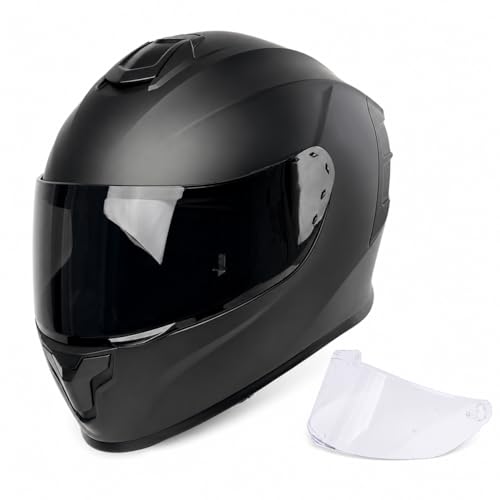
- Dual visor, closed shell: 1Storm full face with inner sun shield and extra clear shield.
- Modular with built-in audio: FreedConn BM2-S, which lists Bluetooth 5.0 and a dual visor.
- Mainstream brand, bare title: AGV K1 S Street (Large).
- Not helmets for quiet: Highway 21 beanie shell, the TRIANGLE dirt bike helmet and the ELIKIDSTO headset.
What each listing says
Our top picks




As an Amazon Associate we earn from qualifying purchases at no extra cost to you.
| Model | Key point from title | Best for |
|---|---|---|
| BELL Qualifier (X-Large) | Full face street, NutraFog II shield, Velocity Flow ventilation, speaker pockets | Riders wanting a closed street shell |
| 1Storm Full Face | DOT, dual visor with sun shield, extra clear shield | Daytime commuters |
| Orthrus Full Face (XX-Large) | Tinted and clear visors, ventilation, washable liner | Larger heads wanting a closed shell |
| FreedConn BM2-S Modular | Bluetooth 5.0, flip up, dual visor, MP3 FM | Riders who want a built-in audio system |
| AGV K1 S Street (Large) | Full face street helmet, black | Riders who like the brand |
| HIGHWAY 21 Beanie | Half shell, dual D-ring chinstrap | Not for highway noise |
| TRIANGLE Dirt Bike Helmet | Motocross, goggles and gloves, DOT/FMVSS-218 | Off-road use |
| ELIKIDSTO Headset | Bluetooth headset, noise cancellation, 25 hours | An accessory, not a helmet |
Eight listings, in order of fit for the job
BELL Qualifier Full-Face Helmet (X-Large)
The title lists a full face street helmet in matte black, with a NutraFog II anti-fog shield, Velocity Flow ventilation and Bluetooth speaker pockets. Nothing in it mentions noise. A closed full face shell is still the right category for highway riding, and the speaker pockets leave room for an audio system. The listing is X-Large, so look at other sizes on the product page. Vents let in air, so check whether they close. Ask whether other sizes exist, since X-Large suits only a narrow set of heads. For quiet riding, the name matters less than a snug fit with the vents shut and the visor latched.
Pros
- Closed full face street shell
- Speaker pockets named in the title
Cons
- No noise claim anywhere in the title
- X-Large as listed, so size may be wrong
Who it’s for: Highway riders who want a closed shell and may add an audio system, in a size that fits.
1Storm Motorcycle Full Face Helmet (Dual Visor)
A DOT full face helmet in matte black with a dual visor: an inner sun shield, plus one extra clear shield. The closed chin bar and outer visor are what a highway rider wants, but the title says nothing on seals, vent closing or noise. The spare clear shield is practical. Because the shape is a plain full face, the noise result depends mostly on fit and the visor seal. No size is given, so check the page. The sun shield is useful on sunny commutes, but remember the inner shield adds a moving part that should click shut and not rattle, and keep the clear shield for dusk.
Pros
- Closed shell with an inner sun shield
- Spare clear shield included
Cons
- No noise or seal details
- No size stated in the title
Who it’s for: Highway commuters who want shade and a spare shield in a closed shell.
FreedConn BM2-S Modular Flip Up Helmet
This modular helmet lists Bluetooth 5.0, integrated EPS, a dual visor, DOT FMVSS-218 approval, and MP3 and FM. Modular chin bars can add seams, which sometimes add noise, so the claim to watch is the chin-bar lock. The built-in audio is the headline. At highway speed, though, loud audio can mask traffic sound, so keep volume modest and follow local rules. No noise figure is given. Check the maker’s notes on how the chin bar locks and whether the hinge area is sealed, and look at the battery and charging details on the product page before you rely on the audio for long rides.
Pros
- Integrated Bluetooth and dual visor
- Flip-up front for easy on and off
Cons
- Chin-bar seams may let in wind
- Audio features do not reduce wind noise
Who it’s for: Riders who want built-in audio and a flip-up front and accept the modular trade-offs.
Orthrus Full Face Helmet (XX-Large)
The Orthrus lists tinted and clear visors, advanced ventilation and a removable washable liner in XX-Large. It is a closed full face design, so it suits the highway on type alone. But the size is XX-Large, so it is relevant only to large heads, and advanced ventilation tells you about airflow, not about quiet. The two visors give flexibility for day and night riding. If your head is not XX-Large, look for a smaller variant of the same design on the product page, and avoid buying a size up for a looser fit, because gaps are a main source of wind noise.
Pros
- Two visors named
- Removable washable liner
Cons
- XX-Large only, as listed
- Ventilation wording says nothing about noise
Who it’s for: Riders with large heads wanting a closed full face shell.
AGV K1 S Street Full Face Helmet (Large)
The AGV title gives name, black color and Large size with a street full face description. It gives no feature list, no visor info and no noise figure. A closed street shell is the right type for highway riding, and a known brand may have a manufacturer page with more detail, which is where to look for the details this title omits. Compare vents and neck roll there. Because the title says so little, every claim should come from the maker’s documentation, and the product page photos can show visor seals, vent switches and the padding around the neck.
Pros
- Closed street full face type
- Known brand name in the title
Cons
- Very few details in the title
- No noise or visor information
Who it’s for: Riders who prefer a mainstream brand and will read the maker’s specifications.
HIGHWAY 21 German Beanie Half Shell Helmet
Runner-up, and not a quiet pick. The title calls it a 9-millimeter German beanie helmet, half shell, with a dual D-ring chinstrap. A beanie shell leaves ears, face and neck open, so wind noise reaches you directly. It is included because the keyword may attract buyers who want something minimal, and they should know the trade-off. Choose it for style at low speeds only. There is also no visor in the title, so eye protection would be a separate purchase, and the lack of coverage matters at speed.
Pros
- Dual D-ring chinstrap in the title
- Minimal, low-profile style
Cons
- Open shell, direct wind noise
- Not meant for highway use
Who it’s for: Low-speed cruiser riders; not recommended for quiet highway riding.
TRIANGLE Adult Dirt Bike Helmet (off-road)
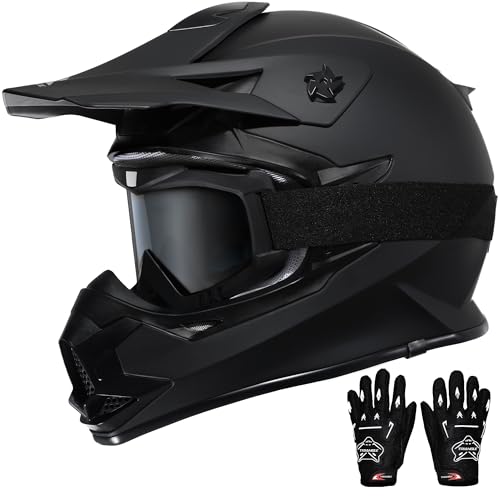
Runner-up, and not a street pick. The title says dirt bike, motocross, off-road, ATV, BMX and UTV, with goggles and gloves included and DOT/FMVSS-218 certification. A peak and open eye port are made for goggles, which let in air. Wind noise at highway speeds can be higher with this shape, so it fits the quiet brief poorly. The included gloves and goggles are extras for off-road use, and the title’s certification wording should still be confirmed with the label on the helmet.
Pros
- Goggles and gloves included
- Certification wording in the title
Cons
- Off-road design is poor for quiet
- No size in the title
Who it’s for: Off-road riders; not for highway use.
ELIKIDSTO Motorcycle Helmet Bluetooth Headset
This is not a helmet. The listing is a Bluetooth headset with speakers, a boom microphone, a 1000mAh battery and 25 hours of use, IPX6 waterproof, voice assistant and noise cancellation. The noise cancellation here refers to the microphone, and does not make a helmet quieter. Loud speakers can hide traffic sound and add to ear fatigue, so use low volume and check local rules. Check compatibility with your helmet. Most riders mount such a unit on the shell or inside the padding, and the product page should say which attachment is included. It is listed here only because the keyword attracts audio shoppers.
Pros
- Boom microphone and long battery life named
- Waterproof rating in the title
Cons
- An accessory, not a helmet
- Does not reduce wind noise
Who it’s for: Riders who already own a helmet and want communication, not noise reduction.
How we picked these
We read each title for helmet type and sorted the eight by how closed the shell is, since highway noise starts with how much of the head is exposed. Nobody on the team used or measured these units. Our basis is published specifications, manufacturer documentation and buyer reviews, and the facts here come only from the titles, none of which gives a decibel figure. Three listings are not quiet-highway helmets and are labeled as runner-ups, so you know why they are on the page.
What to look for in a quiet highway helmet
Know where highway noise comes from
Wind noise is mostly turbulence around the shell, air leaks at the neck and visor, and your own bike and windscreen. The table below lists the usual sources and the fixes riders try.
| Source | What helps |
|---|---|
| Gap at the neck | A closer fit, a neck roll or a snug collar |
| Visor seal | Fully latching the visor, checking the gasket |
| Vents | Closing them at speed |
| Windscreen height | Changing the screen so air hits below the helmet |
| Shell shape | Closed full face over open shells |
Fit comes first
A well-fitted helmet seals better. Choose the size by tape and chart, not by label, and check cheek-pad contact. A loose helmet rattles and lets in air. A simple check: with the strap fastened, push the helmet side to side and up and down; if the skin of your cheeks does not move with it, it is too loose. A snug seal at the base of the helmet cuts wind that curls up from the chest.
Closed shells over open ones
Full face and modular helmets cover the chin, and generally give less exposure than half shells or dirt bike peaks. Modular helmets add a hinge line that may be a leak point. A larger shell also presents more area to the wind, so smaller, rounder shapes can be calmer, though titles seldom give dimensions.
Weight and shell size
A lighter helmet is easier on the neck over a long highway stint, and neck fatigue is a reason riders hold their heads at awkward angles that increase buffeting. Weights are not given in most titles, so check the product page or the maker’s documentation.
Protect your ears
Long exposure to loud wind noise is tiring. Many riders use earplugs designed for riding that still let traffic sound through. Do not rely on Bluetooth speakers to drown wind, because high volume hides traffic.
Trial rides after buying
- Ride the same road section with vents open, then closed.
- Repeat with earplugs in.
- Note any whistling at the visor or neck.
- Change only one thing per ride, so you know which fix worked.
Mistakes buyers make
Believing “quiet” in a heading. If a listing does not state a figure, treat the claim as a hope, not a spec.
Buying an audio system to fix wind noise. It adds sound instead of removing it.
Ignoring the windscreen. Often the bike’s screen sets the noise level.
Picking by size label. A loose helmet will always be noisy. Read the chart, take your head measurement and pick the size that holds still. Return policies matter here, since fit takes a ride to judge.
Leaving the vents open. They are useful in summer but let a lot of air in at highway speed.
Verdict
Choose a closed street shell: the BELL Qualifier or the 1Storm are the leading candidates by type, with the FreedConn if you want audio and accept a modular hinge. The AGV is a fair name to research. None of the titles gives a noise figure, so size correctly, close the vents and add ear protection. Skip the beanie, the dirt bike helmet and the headset if quiet is the goal. Buy only from a seller with an easy return option, so a poor fit can go back.
Related guides
- How To Measure Head Size For A Motorcycle Helmet
- Full Face Motorcycle Helmet For Small Heads
- Dual Sport Helmets For Adventure Riding
Frequently asked questions
Which type of motorcycle helmet is quietest?
No type is silent, but closed full face helmets generally expose less of the head to wind than half shells or dirt bike helmets. Modular helmets are closed too, but have a hinge line that may leak air. Fit and visor seal often matter more than the model name, so check them first, and be wary of any listing that promises quiet without a stated figure from the maker.
Do Bluetooth headsets reduce wind noise?
No. A headset adds sound and the microphone may include noise cancellation, but it does not reduce wind noise reaching your ears. Loud audio can also hide traffic sounds. Keep the volume low, and follow local rules and the maker’s instructions. Reducing wind noise at the source, through fit, vents and screen height, works better than turning the audio up.
Should riders wear earplugs on the highway?
Many riders do, because long exposure to loud wind noise is tiring. Look for earplugs made for riding that still let you hear traffic and horns. If unsure, speak to a hearing professional. Choose plugs that fit comfortably under the helmet, and check that they do not press on the cheek pads. Pull over if you feel pain or cannot hear emergency sounds.
Can an existing helmet be made quieter?
Often a little. Check the fit, close the vents, latch the visor fully and try a neck roll or collar to close the gap at the neck. Changing the bike’s windscreen height can also move turbulence away from the helmet. Compare each change over the same stretch of road, and change one thing at a time. If none of the changes helps, the helmet may simply be a poor match for your bike.
Does an anti-fog shield or ventilation system affect noise?
Vents let air in, and open vents can add noise at speed, so closing them may help. An anti-fog coating itself does not change noise. Weigh comfort against quiet, since closed vents can make the helmet warmer and the visor fog more. In cool weather, closing the vents costs little, while in summer you may need some airflow.



Write Your Review
No reviews yet. Be the first to share your experience!