

Key takeaways
- A bowl of lukewarm water and a few drops of mild soap, such as baby shampoo.
- A soft microfiber cloth and a second dry cloth.
- A soft brush for vents and grooves.
- A dedicated visor cleaner, anti-fog treatment or Pinlock insert.
- Time. Helmets need several hours to dry properly.
To clean a motorcycle helmet, remove the liner and wash it gently, wipe the shell and visor with mild soap and a soft cloth, let everything air dry, and then use a Pinlock insert or anti-fog treatment to keep the visor clear. Avoid harsh solvents and heat, which can damage the shell, foam and visor coatings.
| Pick | Best for | Key feature |
|---|---|---|
| Muc-Off Visor, Lens and Goggle Cleaner | Everyday visor cleaning | Streak-resistant spray made for visors |
| Pinlock Max Vision insert | Persistent fogging | Second lens that traps moisture-laden air |
| Rain-X Anti-Fog | Quick treatment for lenses | Wipe-on anti-fog film |
| Griot’s Garage microfiber towels | Scratch-free wiping | Soft, lint-free fabric |
| Fog City Anti-Fog | Riders using glasses and shields | Spray-on anti-fog coating |
What you will need
- A bowl of lukewarm water and a few drops of mild soap, such as baby shampoo.
- A soft microfiber cloth and a second dry cloth.
- A soft brush for vents and grooves.
- A dedicated visor cleaner, anti-fog treatment or Pinlock insert.
- Time. Helmets need several hours to dry properly.
Step 1: Remove the visor and liner
Most helmets let you remove the visor with a tool-free lever or a couple of screws. Take out the cheek pads and the crown liner if the design allows it. Refer to the manufacturer’s manual, since some liners are not removable and should only be spot-cleaned.
Step 2: Wash the liner
Hand wash the liner pieces in lukewarm water with a little mild soap. Squeeze gently rather than twisting, then rinse until the water runs clear. Press water out with a towel and air dry, away from direct heat. Avoid washing machines and dryers unless the manufacturer says it is fine, since heat and agitation can damage the foam and stitching.
Step 3: Clean the shell
Dampen a soft cloth with soapy water and wipe the shell, vents and chin strap. Use a soft brush for the vent channels. Rinse the cloth and wipe again. Do not use petrol, harsh cleaners or abrasive pads, which can degrade paint, plastics and adhesives. For stubborn bugs, press a damp cloth over them for a minute to soften before wiping.
Step 4: Clean the visor
Soak the visor with a damp cloth to loosen grit, then wipe gently so you do not drag particles across the surface. Use a visor-safe cleaner such as Muc-Off Visor, Lens and Goggle Cleaner and dry with Griot’s Garage microfiber towels. Avoid glass cleaners with ammonia, which can cloud plastics and strip anti-fog coatings.
Step 5: Dry and reassemble
Let everything air dry completely. Reassemble the liner and visor, check that the visor seals against the eyeport and look over the strap hardware. A damp liner leads to odor and can irritate your skin.
Stopping the fog
Fog forms when warm, moist breath meets a cool visor. Several approaches help, and combining them works best.
Pinlock insert
A Pinlock Max Vision insert creates a sealed air gap and absorbs moisture. It is the most reliable fix for helmets with a compatible visor, though it needs to be installed correctly and replaced if it degrades.
Anti-fog coatings
Products like Rain-X Anti-Fog and Fog City Anti-Fog leave a thin film that reduces fogging for a while. They are convenient for helmets without Pinlock support and for the inside of glasses lenses. Apply to a clean surface, follow the instructions and re-apply regularly. Do not touch the treated surface afterwards.
Airflow and habits
Crack the visor open at a stop, use the breath deflector, open vents while moving and avoid exhaling upward. A neck gaiter that seals under the chin can send breath downward. In cold, wet conditions, warm up gradually.
Removing odors
Odor usually comes from sweat in the liner. Regular washing helps. Dry the liner fully between rides, and let the helmet sit open in a ventilated space. Use helmet-safe deodorizers sparingly, since strong sprays can leave residue or irritate skin.
Common mistakes
- Using household solvents. They can weaken shells and strip coatings.
- Wiping a dry, dirty visor. Grit scratches.
- Drying with heat. Hair dryers and radiators can damage foam.
- Applying anti-fog on a dirty surface. It will not work well.
- Using stickers on the visor. They reduce clarity.
How often to clean
Wipe the visor often, especially after rides in rain or bugs. Wash the liner every few weeks for frequent riders, or more often in hot weather. A full deep clean every season is a reasonable minimum.
Extra care for different helmet types
Not every helmet is cleaned the same way. A few differences are worth knowing before you start.
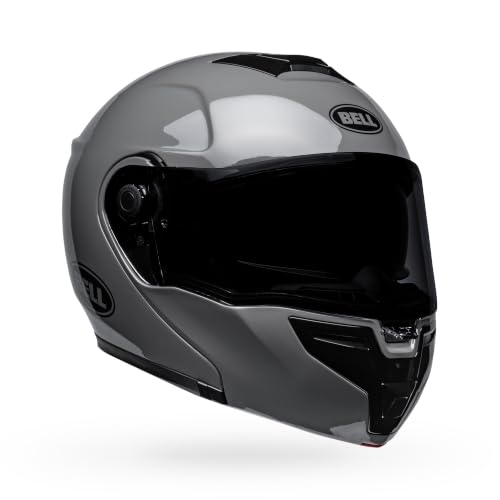
Full face helmets
These typically have removable cheek pads, a crown pad and a breath box. Check the manual for the order of disassembly. Take photos as you go so reassembly is easy. Pay attention to the neck roll and the chin curtain, where sweat and grime tend to collect.
Modular helmets
Modular models have a chin bar mechanism. Clean around the hinges with a damp cloth and a soft brush, and avoid getting lots of water into the mechanism. Operate the chin bar after cleaning to make sure it moves freely.
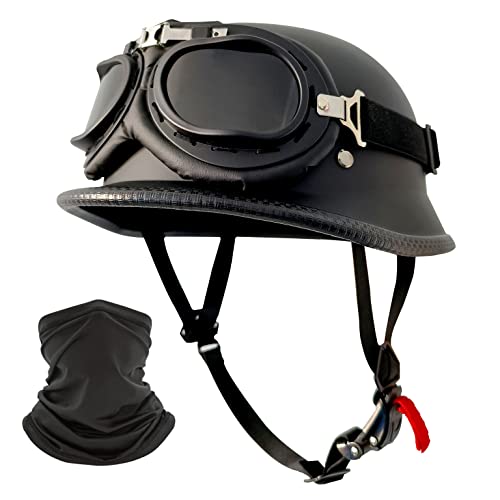
Open face and half helmets
These usually have simpler liners but may have glued-in padding. Spot-clean with a damp cloth and mild soap, and avoid soaking. Snap-on shields can be removed and cleaned as you would a visor.
Off-road helmets
Dirt helmets collect mud in vents and under the peak. Use a soft brush and a hose on low pressure to remove debris, taking care not to force water into the liner. Dry thoroughly before storing.
Visor care and scratch prevention
A scratched visor is more than a nuisance. Glare from scratches can make night riding dangerous. Avoid dry wiping, never use paper towels and keep the visor closed when the helmet is stored. Replacement visors are inexpensive compared with the helmet, so replace them when vision is affected. If you use a Pinlock insert, check the seal for gaps and keep the insert clean on its inner surface by wiping gently with a soft cloth. Do not use chemical cleaners on the insert, since they can damage the anti-fog coating.
Storage habits that keep helmets fresh
Store the helmet in a cool, dry place away from direct sunlight. A cotton helmet bag protects it from dust and scratches. Avoid hanging it by the strap, which can stretch the hardware, and do not leave it on a mirror in the sun. Open the vents and visor slightly between rides so moisture can escape.
Frequently asked questions
Can I use baby shampoo to wash the liner?
Yes, mild soap and lukewarm water are commonly recommended. Rinse thoroughly.
Is it safe to use a washing machine?
Only if the manufacturer says so. Hand washing is safer.
Why does my visor still fog with Pinlock?
The insert may not be seated correctly or may be worn out. Check the seal and replace if needed.
How can I remove scratches from the visor?
Fine scratches are hard to fix. If they impair vision, replace the visor.
Conclusion
A clean helmet is more comfortable, safer and lasts longer. Wash the liner gently, use soft cloths and mild cleaners, and combine a Pinlock insert or anti-fog coating with good airflow habits to keep your view clear.
As an Amazon Associate we earn from qualifying purchases.
More from Amazon
Programs that pair well with the guide above. Offers and eligibility are set by Amazon and may change.
Free shipping on eligible items, Prime Video and more. Eligible new members can start with a free trial.
Start a Prime free trialA Prime membership for ages 18-24 with a trial period. Eligibility is set by Amazon.
See Prime for Young AdultsAudiobooks and podcasts to listen to on the go. Eligible new members can start with a free trial.
Try Audible freeAd-free music streaming. Eligible new subscribers can start with a free trial.
Try Music Unlimited freeAs an Amazon Associate we earn from qualifying purchases.




Write Your Review
No reviews yet. Be the first to share your experience!