

Key takeaways
- LS2 vs HJC motorcycle helmets compared on certification, fit, features and open face options, with a decision checklist and a worked rider example.
Neither LS2 nor HJC is simply better than the other: both sell budget and mid-priced helmets across several styles, so the right choice depends on the specific model, its certification and, above all, how it fits your head. This comparison covers the general differences that are widely known, how to read certification labels, what changes with open face designs, and how to decide between two candidates. It uses published specifications and manufacturer information rather than personal impressions, so check the current specifications and manuals for any helmet before you buy.
The short answer
Both companies are well known for offering accessible pricing and a broad range of styles, including open face, full-face and modular helmets. HJC is a long-established Korean maker, while LS2 is a brand with a strong presence in the budget and mid-price market. Beyond that, the useful comparison is model against model. A comfortable, properly certified helmet from either brand is a better choice than a poorly fitting one from the other.
If you are shortlisting two helmets, compare the certification label, shell sizes, interior shape, visor system and ventilation rather than the logo on the front.
Certification comes first
In the United States, helmets used on public roads are expected to carry a DOT certification label, indicating that the manufacturer claims compliance with the federal standard. Some helmets also carry ECE 22.05 or 22.06 marks, used widely in Europe, and some carry Snell certification, a voluntary standard from a separate organization. These standards differ in their test methods, so they are not interchangeable shorthand for “safer.”
| Label | What it generally indicates | What to check |
|---|---|---|
| DOT | Manufacturer certifies compliance with the US standard | Sticker on the back and documentation |
| ECE | European regulation, with newer 22.06 revision | Label sewn on the chin strap |
| Snell | Voluntary standard from the Snell Foundation | Label inside the helmet |
Treat counterfeit and unmarked helmets with caution. If a label looks missing, misspelled or poorly printed, return the item and contact the seller.
Fit and head shape
Fit affects comfort, noise and how well the helmet stays in place. Many manufacturers describe their interior shape as intermediate oval, round oval or long oval, but terms differ and models change. Measure your head with a soft tape about an inch above the eyebrows, wrap it around the widest part, and compare the result with the maker’s size chart.
A good fit feels snug, with the cheeks gently pressed and no gaps at the forehead. Hot spots on the forehead or temples after twenty minutes typically indicate the shell is a poor match for your head. Do not rely on a brand reputation for comfort, because individual head shapes vary.
What changes with open face helmets
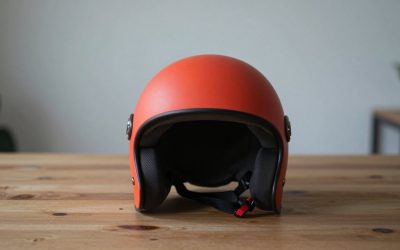
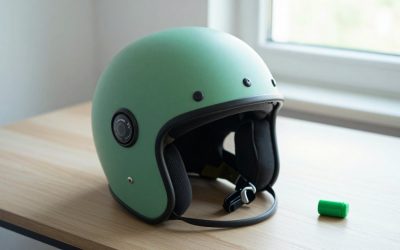
An open face helmet covers the top, sides and back of the head but leaves the face exposed, with no chin bar. That brings advantages in airflow, visibility and ease of wearing, and it suits some cruiser and city riding styles. It also means less coverage than full-face or modular helmets, so the choice should reflect how and where you ride.
- Check whether the model includes a drop-down sun visor or accepts a separate face shield.
- Look at how the chin strap fastens, whether with a double D-ring or a quick-release buckle.
- Consider eye protection, since open face helmets without a shield often require goggles or glasses.
- Note wind noise levels at highway speeds, which are often higher without a chin bar.
Side-by-side checklist
| Factor | What to compare |
|---|---|
| Certification | DOT, ECE or Snell labels on the exact model |
| Shell sizes | Number of shell sizes and size range |
| Interior | Removable, washable liner and cheek pads |
| Visor system | Included shield, internal sun visor, replacement availability |
| Ventilation | Intake and exhaust vents, and whether they adjust |
| Weight | Listed weight and balance, compared with your neck comfort |
| Extras | Bluetooth compatibility, pinlock-style compatibility, bag included |
| Support | Warranty, replacement parts and return policy |
Because lineups change often, confirm each row against the current listing and the maker’s manual.
A worked example with assumptions
Imagine a rider who commutes 40 minutes each way on a cruiser in warm weather, rides mostly under 55 mph and wants an open face helmet with a sun visor. Assume the rider measures a head circumference that sits near the boundary between two sizes, and has a slightly rounded head shape.
- Shortlist one helmet from each brand, both with the DOT label and an internal visor.
- Compare each size chart with the measured circumference, and note which one recommends sizing up or down at the boundary.
- Order, then wear each helmet indoors for at least thirty minutes, watching for pressure points on the forehead.
- Check wind noise on a short ride only after confirming fit, and use earplugs if recommended.
- Keep the helmet that fits more comfortably, and return the other under the retailer’s policy.
In this scenario fit decides the outcome, not brand. A different rider with a longer, narrower head could reach the opposite result with the same two helmets.
Choosing by riding style
Riding style narrows the field faster than brand. A rider on short, low-speed city trips may value light weight, easy ventilation and a quick-release strap. Someone logging long highway miles should pay more attention to wind noise, shield sealing and neck fatigue, and may find a different helmet style more comfortable. Riders in cooler or wet climates often care about a liner that can be washed and a shield that resists fogging. Whichever brand you prefer, read the specification list for the exact model and compare it against the conditions you ride in most often.
Common mistakes when comparing
Several errors recur. Some buyers pick by graphics or price alone and ignore the label. Others order a size based on hat size or a friend’s helmet, which rarely matches helmet sizing. Some assume a more expensive helmet always fits better, when comfort depends on shape. It is also common to forget replacement parts, such as a spare shield or pads, which can matter if you wear the helmet daily. Finally, avoid buying used helmets, since there is no way to know whether they have been dropped or impacted.
Care, replacement and storage
Clean the shell with mild soap and water and avoid solvents or strong cleaners that could harm the materials. Wash removable liners as the manual allows. Store the helmet in a cool, dry place out of direct sun, and do not hang it by the strap over a hook that could stress the padding. Replace a helmet after any significant impact, even if it appears undamaged, and watch for age-related wear such as compressed padding or frayed straps. Follow the manufacturer’s replacement guidance, which commonly points to several years of use.
Related guides
- Full Face Motorcycle Helmet For Small Heads
- How To Measure Head Size For A Motorcycle Helmet
- Quiet Motorcycle Helmets For Highway Riding
Frequently asked questions
Is LS2 or HJC the safer brand?
Neither brand can be called safer in general, because safety depends on the specific model, its certification and how well it fits you. Look for the DOT label required for road use in the US, and check for ECE or Snell marks if those matter to you. Read the manufacturer’s documentation for the exact model and make sure the helmet fits snugly and sits correctly on your head.
Which brand fits a rounder head better?
Head shape compatibility varies by model, so there is no reliable brand-wide answer. Many helmet makers describe their shells as intermediate oval, long oval or round oval. Check the manufacturer’s size chart and fit description for the model you want, measure your head around the forehead, and try the helmet on whenever possible. A helmet that fits well should feel snug without creating pressure points.
Are open face helmets from these brands as protective as full face?
Open face designs do not have a chin bar, so they cover less of the head and face than full-face or modular styles. Certified open face helmets still meet the applicable standard, but riders who want fuller coverage often choose a different style. Consider your riding type, speed, climate and comfort, and read the manufacturer’s guidance for the exact helmet.
How often should you replace a motorcycle helmet?
Many manufacturers advise replacing a helmet after any significant impact and after a number of years of use, commonly around five, though the exact guidance varies. Padding compresses, liners wear and materials age. Check the instructions for your helmet, inspect it regularly for cracks, loose parts and worn straps, and replace it if you have any doubt about its condition.
Should you buy a motorcycle helmet online?
It can work if you measure your head carefully, compare the maker’s size chart and confirm the retailer’s return and exchange terms. Fit matters more than brand, so be ready to swap sizes. Check that the helmet carries the right certification label on arrival, and wear it for a while at home to look for pressure spots before riding.


Write Your Review
No reviews yet. Be the first to share your experience!