

Key takeaways
- Choosing a waterproof model for a dry, hot city. You will sweat more than you stay dry.
- Skipping the rating label. Fashion boots with a riding name are not the same as certified ones.
- Letting laces dangle. Tuck or cover laces so they do not snag on footpegs or gear levers.
- Buying too tight. Feet swell during long days, and a snug boot can hurt by the evening commute.
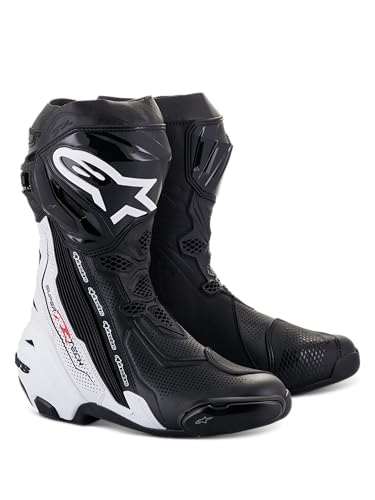
The best urban motorcycle boots are low-profile, CE-rated shoes or short boots with a waterproof liner, and the TCX Street 3 WP, Alpinestars Faster-4 and Dainese-built TCX Jupiter 5 GTX are the names that come up most often in 2026 guides. City riding rewards boots you can wear all day, walk in comfortably and keep on at the office, while still adding ankle and heel protection that sneakers lack. The trade-off is always protection versus looking normal.
Our top picks

As an Amazon Associate we earn from qualifying purchases at no extra cost to you.
Urban Boot Comparison
| Pick | Best for | Notable features | Price range |
|---|---|---|---|
| TCX Street 3 WP | All-round commuting | High-top sneaker look, waterproof liner, D3O-style impact inserts per maker, CE-rated | Budget to mid |
| TCX Jupiter 5 GTX | Year-round urban use | Gore-Tex membrane, taller ankle coverage | Mid to upper-mid |
| Alpinestars Faster-4 | Casual city riding | CE EN 13634, dual-density ankle protectors | Mid-range |
| Alpinestars J6 Waterproof | Wet climates | Waterproof construction, abrasion-resistant upper | Mid-range |
| Sidi Lynx | Style-first riders | High-end sneaker look | Mid-range |
| Dainese Atipica Air 2 | Hot-weather commuting | Perforated upper, shoe profile | Mid-range |
| Sidi Atojo SRS | Premium city boot | Replaceable sole system | Premium |
Best Overall: TCX Street 3 WP
GearJunkie recommends this CE Level 2 leather high-top as an easy-to-wear daily rider. Its waterproof liner handles commutes in light rain, and the sneaker look means you will not need to change at work. The downside is the same as any shoe-height boot: shin protection is minimal and the sole is less stiff than a touring boot’s, so it is best for urban speeds rather than highway sprints.
Best Year-Round: TCX Jupiter 5 GTX
XpertRider’s street-riding roundup names the Jupiter 5 GTX its top pick for urban commuters. A Gore-Tex membrane gives waterproofing that tends to last longer than cheaper liners, and the ankle coverage is higher than a sneaker. Expect it to cost more and to run warm in summer.
Best for Casual Style: Alpinestars Faster-4
The Faster-4 is certified to CE EN 13634 and uses dual-density ankle protectors, according to Champion Helmets’ roundup. It looks like a regular sneaker, which makes it ideal for riders who hate wearing boots. The limit is weather: it is not as protective in heavy rain as a boot with a taller waterproof shaft.
Best for Wet Weather: Alpinestars J6 Waterproof
Infinity Motorcycles lists the J6 Waterproof first in its casual and urban guide, noting CE Level 2 abrasion resistance. It is a sensible choice if your commute rarely stays dry. As with any waterproof shoe, ventilation suffers in summer heat.
Best Hot-Weather Commuter: Dainese Atipica Air 2
RevZilla lists the Atipica Air 2 among its shoe-style picks. The perforated upper moves air through the shoe, which matters when you stop at lights in summer traffic. A perforated shoe offers little protection from rain, so keep a waterproof pair for winter.
Style-First and Premium Options
The Sidi Lynx looks like a high-end sneaker, which suits riders who want protection but not a technical look. For a premium city boot, the Sidi Atojo SRS has a replaceable sole system, helpful if you ride daily and wear soles out. Both cost more than basic urban shoes, so they are for riders who value longevity or style.
How to Choose Urban Riding Boots
Decide how far you walk
If you walk more than ten minutes on either end of your commute, prioritize a flexible sole and light weight. A stiff touring sole will make you tired and slow.
Match the liner to your climate
Waterproof liners keep feet dry but trap heat. A rider in a rainy region benefits from Gore-Tex or an equivalent membrane, whereas a rider in a dry hot city may prefer a vented shoe and a spare rain cover.
Look for protection that matters
Prioritize ankle protectors, reinforced heel and toe, and a gear-shift pad. Abrasion-resistant leather is the first line of defense in a slide. A CE label on the specific model is better evidence than marketing claims.
Plan for wear
Soles on urban boots wear quickly because you walk in them. The left toe takes shifting abuse, so check it often. Replaceable soles cost more upfront but can be cheaper over several years.
Fit and Care Checklist
| Step | Why it matters |
|---|---|
| Try on with riding socks | Prevents tight spots on shifting foot |
| Check heel lift when walking | More than about a finger width suggests wrong size |
| Test ankle flex on the bike | Ensures you can shift and brake with feel |
| Clean and treat leather every few months | Keeps waterproofing and prevents cracking |
| Replace after a significant crash | Hidden damage to protectors reduces protection |
Which Urban Boot Fits Which City Rider
| Rider type | Pick | Why |
|---|---|---|
| Year-round commuter in a wet city | TCX Jupiter 5 GTX | Membrane waterproofing and higher ankle coverage |
| Summer scooter or small-bike rider | Dainese Atipica Air 2 | Perforated upper for stop-and-go heat |
| Rider who dislikes boots | Alpinestars Faster-4 | Sneaker look with certified protection |
| High-mileage daily rider | Sidi Atojo SRS | Replaceable sole extends lifespan |
| Rainy commute on a budget | TCX Street 3 WP | Waterproof liner at a lower price band |
What Actually Protects You in the City
Urban crashes are usually low-speed tumbles, car-door collisions, or being pinned when the bike falls over at a light. In those events, the ankle bones, heel and outside of the foot take most of the damage. That is why the best urban boots concentrate armor at the ankle, the heel counter and the toe. Shin protection matters less at city speeds but still helps if the bike lands on your leg. A stiff midsole also stops your foot from folding when the bike drops on it. If a model advertises armor but you can fold the shoe in half with your hands, the sole is probably too soft.
Common Urban Boot Mistakes
- Choosing a waterproof model for a dry, hot city. You will sweat more than you stay dry.
- Skipping the rating label. Fashion boots with a riding name are not the same as certified ones.
- Letting laces dangle. Tuck or cover laces so they do not snag on footpegs or gear levers.
- Buying too tight. Feet swell during long days, and a snug boot can hurt by the evening commute.
Budget Thinking for Daily Riders
If you ride five days a week for about 20 minutes each way, you spend roughly 80 hours a year on the bike in your boots, plus all the walking at both ends. Over a two-year lifespan that is around 160 riding hours. Putting the money into a boot comfortable enough to wear all day pays off more than saving at the checkout, because a boot that hurts ends up in the closet while you ride in regular shoes.
Frequently Asked Questions
Are urban riding shoes safe enough?
They are safer than sneakers when they carry a CE rating, but they offer less protection than a full boot. For fast roads or long highway trips, a taller boot is a better choice.
Can I wear urban riding boots all day?
Yes, most are designed for it. Look for a flexible sole and a comfortable footbed.
Are waterproof urban boots hot in summer?
They can be, since membranes limit airflow. Many riders keep a vented pair for summer.
What does CE Level 2 mean?
It refers to a higher performance level in the footwear standard’s testing for abrasion, impact and cut resistance. Check the label for the specific model.
How often should I replace them?
Replace them when the sole is worn through, the stitching splits, or after a hard impact. With regular use, many pairs last a few years.




Write Your Review
No reviews yet. Be the first to share your experience!