

Key takeaways
- Buying thick speakers for a slim helmet. They press on the ears and cause pain within an hour.
- Ignoring the mount. A communicator that loosens on the shell may drop or rattle at speed.
- Max volume at all times. Fatigue and hearing damage build up on long rides.
- Not checking helmet warranty. Some makers advise against drilling or gluing the shell, so use the clamp or adhesive mounts approved by the helmet maker.
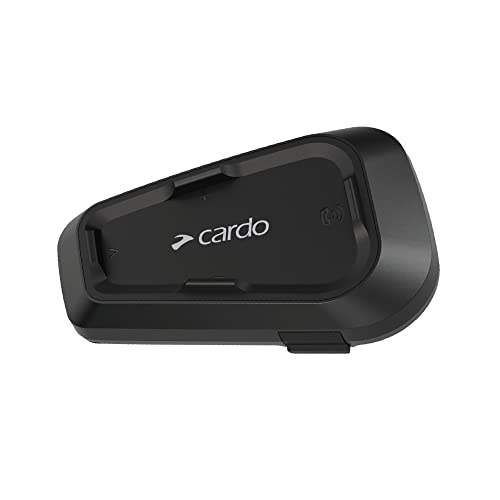
The best helmet speakers for music are thin 40 to 45 mm drivers from the big communicator brands, such as the speakers that ship with the Cardo PackTalk Pro (JBL) and Cardo Spirit HD, or the ultra-thin Syphon SoundPro when your helmet has shallow ear pockets. The decisive factor is fit: a great driver that presses on your ear will be uncomfortable and quiet, while a thin one that sits at your ear canal can sound surprisingly good.
Our top picks



As an Amazon Associate we earn from qualifying purchases at no extra cost to you.
Helmet Speaker Comparison
| Pick | Type | Driver and thickness | Other specs | Best for |
|---|---|---|---|---|
| Cardo PackTalk Pro | Communicator with JBL speakers | 45 mm JBL | Magnetic mount, crash detection | Premium all-round |
| Cardo Spirit HD | Communicator | 40 mm thin | FM radio, IP67, about 13 hours | Value Cardo |
| LEXIN G2P | Communicator | 40 mm | Bluetooth 5.1, up to 6 rider intercom, IP67 | Group riding |
| Syphon SoundPro | Ultra-thin speakers | 40 mm drivers, 9.6 mm thick | 115 dB peak, IP55, 10+ hours | Shallow helmets |
| JZAQ A30 | Budget thin speakers | About 0.38 inch thick | Bluetooth 5.3, long battery | Budget |
| ELFINEAR Acoustix Elite | Wired upgrade | 45 mm | Works with many wired communicators | Sound upgrade |
Specifications are taken from maker listings and reviewer roundups; confirm exact dimensions before buying.
Best Overall: Cardo PackTalk Pro
Several 2026 roundups pick the PackTalk Pro as the overall winner for music thanks to its JBL 45 mm speakers, magnetic mount and crash detection. It is a full communicator, so it also gives you group intercom. The cost is a premium price and a larger unit on the helmet.
Best Value Cardo: Cardo Spirit HD
The Spirit HD carries 40 mm speakers, FM radio and an IP67 rating, with battery life around 13 hours. It is a strong choice if you want brand-name audio without the top-tier price. It has fewer group features than the PackTalk.
Best for Groups: LEXIN G2P
Reviewers praise the G2P for its 40 mm speakers, Bluetooth 5.1 and an intercom for up to six riders. It is also IP67 rated. It suits friend groups on a budget, though its software and app support are less polished than the major brands.
Best for Shallow Helmets: Syphon SoundPro
At 9.6 mm thick, the SoundPro slides into helmets where regular speakers press on the ears. It has 40 mm drivers, a peak output reported around 115 dB and glove-friendly controls. Some reviewers note stereo separation could be better, which is a limit of thin cases.
Best Budget: JZAQ A30
This model uses very thin speakers and Bluetooth 5.3 with a long battery life, aimed at riders who want music at a low price. Expect basic sound and fewer controls.
Best Sound Upgrade: ELFINEAR Acoustix Elite
If you already have a communicator, replacing its stock speakers can improve clarity. The wired 45 mm design works with many systems, but you must check connector compatibility.
How to Choose Speakers for Music
Measure your ear pockets
Remove the cheek pads and see how deep the recess is. If it is shallow (under about 10 mm), choose ultra-thin speakers.
Position matters more than power
Speakers should sit directly at the ear canal. Use Velcro or adhesive pads to adjust. Poor alignment loses bass and volume.
Think about wind noise
At highway speed, wind noise can exceed 90 dB. Foam ear plugs and a quiet helmet reduce it, which lowers the volume you need and protects your hearing.
Check legal and safety limits
Local laws vary on wearing headphones while riding. Keep volume low enough to hear traffic and check your local rules.
Matching Speakers to Your Helmet
| Helmet situation | What to buy | Reason |
|---|---|---|
| Deep ear pockets, full-face | Cardo PackTalk Pro or LEXIN G2P | Room for 40 to 45 mm drivers |
| Shallow pockets, snug fit | Syphon SoundPro | Only 9.6 mm thick |
| Open-face or modular helmet | Cardo Spirit HD | Compact unit with FM radio |
| Already own a communicator | ELFINEAR Acoustix Elite | Swap in larger wired drivers |
| Tight budget | JZAQ A30 | Thin speakers at the low end |
Step-by-Step Speaker Placement
- Remove the cheek pads and ear foam. You need to see the recess where the ears sit.
- Dry-fit the speaker. Hold it in place and put the helmet on. The speaker should touch or sit within a few millimeters of your ear opening.
- Secure with hook-and-loop pads. They let you reposition the speaker without damaging the liner.
- Route the wire neatly. A pinched wire can crackle or break, so keep it out of the shell’s edges.
- Test at a standstill. Play music and check the sound is balanced between both ears before you ride.
A speaker even 5 mm from the ear loses much of its bass, so patience at this step matters more than driver size.
Wind Noise Math: Why Volume Is Not the Answer
At highway speed, wind noise inside many helmets can reach the 85 to 100 decibel range, according to general motorcycle noise studies. If your music sits at 90 dB to be heard, you are adding to an already loud environment. Foam earplugs reduce outside noise by about 20 to 30 dB, which lets you listen at a lower level and still hear lyrics. Speakers that sit close to the ear also need less volume than speakers that sit a centimeter away.
Common Mistakes
- Buying thick speakers for a slim helmet. They press on the ears and cause pain within an hour.
- Ignoring the mount. A communicator that loosens on the shell may drop or rattle at speed.
- Max volume at all times. Fatigue and hearing damage build up on long rides.
- Not checking helmet warranty. Some makers advise against drilling or gluing the shell, so use the clamp or adhesive mounts approved by the helmet maker.
Frequently Asked Questions
Can I add speakers to any helmet?
Most full-face and modular helmets can take speakers, but fit depends on ear pocket depth.
Are 45 mm speakers better than 40 mm?
Larger drivers can move more air for bass, but thickness and placement matter as much as size.
How long do batteries last?
Most communicators run between 10 and 20 hours of music, according to maker specs.
Do speakers harm hearing?
Loud audio at highway speed can contribute to fatigue. Use earplugs and keep volume reasonable, and speak to an audiologist if you have concerns.
Do I need a communicator?
Not necessarily. Some riders use wired speakers connected directly to a phone, though a Bluetooth communicator is more convenient.





Write Your Review
No reviews yet. Be the first to share your experience!