

Key takeaways
- Look for the label. A genuine DOT helmet has a sticker on the back and a permanent label inside. Novelty helmets without these should not be used.
- Replace after any significant impact. The EPS liner crushes to absorb energy and cannot do so again.
- Replace on age. Many manufacturers suggest replacing a helmet about every five years, since liners and adhesives degrade.
- Protect your eyes. A drop-down sun visor is not a substitute for goggles or a full shield in rain, dust or insects.
The best half motorcycle helmet for most riders in 2026 is the Bell Pit Boss, a light composite-shell cruiser helmet with a drop-down visor and a removable neck curtain. The GMAX HH-65 is the better choice if you want dual drop-down shields at a lower tier, and the Biltwell Bonanza suits riders who prioritise retro looks over features. A half helmet covers the top of the skull and little else, so the buying decision is mainly about shell material, weight, certification and how well it sits on your head.
Half helmets, also called brain buckets or beanies, are popular on cruisers, bobbers and scooters because they are light, cool and unobtrusive. They are also the least protective helmet style, because they leave the face, jaw and much of the lower skull exposed. Anyone choosing one should look for DOT FMVSS 218 certification in the United States, wear eye protection every time, and understand that the trade-off for comfort is reduced coverage. The seven picks below are real, currently sold models, ranked with their published weight, shell, certification and feature data.
Our top picks


As an Amazon Associate we earn from qualifying purchases at no extra cost to you.
Quick comparison of the seven picks
Weights come from retailer and manufacturer listings and vary by size and finish, so use them for comparison rather than as exact figures.
| Pick | Best for | Shell | Approx. weight | Certification | Visor / shield | Market tier |
|---|---|---|---|---|---|---|
| Bell Pit Boss | Best overall | Carbon / aramid / fiberglass composite | 1.5 lb (690 g) | DOT | Dark smoke drop-down visor | Mid |
| GMAX HH-65 Full Dressed | Best feature set for the money | Polycarbonate | 2.1 lb | DOT | Dual drop-down shields (dark and clear) | Budget |
| LS2 Rebellion | Best ventilation | KPA thermoplastic | 2.1 lb | DOT | Internal sun visor and peak | Budget to mid |
| HJC IS-Cruiser | Best extended coverage | Polycarbonate composite | 2.6 lb | DOT | Drop-down internal sun visor | Budget to mid |
| Biltwell Bonanza | Best retro style | ABS | 2.4-2.6 lb | DOT FMVSS 218 | None built in, accepts snap-on shields | Mid |
| Daytona Skull Cap | Most compact | Composite, three shell sizes | 1.6-2.05 lb standard | DOT FMVSS 218 | Optional visor | Budget |
| Sena Cavalry 2 | Best built-in communications | Premium fiberglass | 2.2 lb | DOT | Integrated visor system | Premium |
Best overall: Bell Pit Boss
The Pit Boss is the half helmet reviewers name most often for 2026. Its shell is a composite of carbon, aramid and fiberglass, which Bell calls TriMatrix, and it weighs roughly 1.5 lb (690 g), around 30 percent less than many polycarbonate half helmets. It carries DOT certification, includes a dark smoke drop-down visor, and ships with a removable neck curtain and speaker pockets. The Speed Dial fit system lets you adjust the internal sizing with a rear dial, which helps keep the helmet from shifting on a long ride.
Who it suits: cruiser riders who want a premium feel without moving to the top of the price range, and anyone who rides long days and notices neck fatigue.
Main trade-off: the profile is snug, so riders with wide heads should try one on before ordering, and airflow is limited by design once the neck curtain is fitted. Bell notes parts availability for several years after purchase, which matters for replacement pads and visors.
Best feature set for the money: GMAX HH-65 Full Dressed
The GMAX HH-65 is the helmet to choose if you want coverage options without paying for a composite shell. It uses a polycarbonate shell at about 2.1 lb, a removable Coolmax interior, dual drop-down shields in dark and clear, a removable neck curtain with speaker pockets and a quick-release ratchet closure. The dual shields mean one helmet covers day and dusk riding, which is rare at this tier.
Who it suits: commuters and weekend riders who want eye protection built in, riders who add a Bluetooth headset and need the speaker pockets, and anyone replacing a worn first helmet.
Main trade-off: polycarbonate adds weight relative to the Pit Boss, and some listings do not clearly state the certification, so confirm the DOT label on the helmet itself before wearing it.
Best ventilation: LS2 Rebellion
The LS2 Rebellion uses LS2’s KPA thermoplastic shell, weighs about 2.1 lb and holds DOT certification. Its features include an internal drop-down sun visor, an adjustable top vent, a visor peak and a ratchet-style chin strap that avoids fiddly D-rings. Reviewers single out the airflow, which matters because half helmets can still trap heat at low speeds.
Who it suits: riders in hot climates and anyone who stops often in city traffic, where airflow drops with speed.
Main trade-off: the outer styling is simpler than premium retro helmets, and the internal visor is a sun shield, not a full-face shield, so it does not replace goggles or glasses at higher speeds.
Best extended coverage: HJC IS-Cruiser
HJC designed the IS-Cruiser with extended coverage over the ears and the back of the head compared with a minimal skull cap. It uses a polycarbonate composite shell, weighs roughly 2.6 lb, includes a drop-down internal sun visor, a moisture-wicking removable interior and slots for eyewear arms. For riders who want more protection from a half helmet, the extra coverage matters.
Who it suits: riders who wear glasses, riders who want a little more shell around the lower skull, and commuters who value an interior they can remove and wash.
Main trade-off: it is heavier than the Pit Boss and HH-65, and the extended shape looks less minimal than a classic beanie.
Best retro style: Biltwell Bonanza
Strictly speaking the Bonanza is a low-profile open-face helmet, not a pure half shell, but riders buy it for the same retro cruiser and bobber look. It has an ABS shell over a custom-shaped EPS liner, a removable washable interior and DOT FMVSS 218 certification. Listed weights sit around 2.4-2.6 lb depending on size and retailer, and the fit is a round oval, which suits rounder heads. Its simple lines accept snap-on visors and shields from the aftermarket.
Who it suits: riders building a vintage or custom bike, and those who want a helmet with more coverage than a beanie but the same stripped-down look.
Main trade-off: there is no built-in sun visor, so you need goggles, a snap-on shield or glasses. Round-head fit can feel tight on narrow, long heads.
Most compact: Daytona Skull Cap
The Daytona Skull Cap is marketed as the smallest DOT-approved half-shell helmet. It meets DOT FMVSS 218 and comes in three shell sizes, with the liner kept close to the legal 1 inch minimum thickness, which is why it looks so small. Standard versions weigh about 1.6 lb in small and 1.85 lb in medium up to 2.05 lb in extra-large. A carbon-fiber version weighs from about 1.24 lb in small to 1.64 lb in 2XL, and a leather-covered version weighs 1.7 to 2.15 lb. The shape is intermediate oval.
Who it suits: riders who prioritise a minimal footprint, low weight and a bare-bones look, and riders who want an inexpensive helmet to keep as a second option.
Main trade-off: minimal coverage is the point, so there is less protection than any other helmet on this list. Wear eye protection and understand the limits.
Best built-in communications: Sena Cavalry 2
The Cavalry 2 is a premium half helmet with a fiberglass shell, a weight of about 2.2 lb and DOT certification. It integrates Bluetooth and mesh connectivity, with sound processing designed to filter road and wind noise, plus smartphone pairing. Because the electronics are built in, there is no communicator pod hanging off the shell.
Who it suits: riders who want a group intercom and music without adding aftermarket hardware, and who are willing to pay a premium tier for a clean integration.
Main trade-off: it costs considerably more than the other picks, and if the electronics fail you lose the helmet’s main selling point. A standard half helmet plus a separate communicator is more repairable.
How to choose: a decision matrix
| Your situation | Choose | Reason |
|---|---|---|
| Long highway days on a cruiser | Bell Pit Boss | Lightest shell and adjustable fit reduce fatigue |
| Need sun and clear shields | GMAX HH-65 | Dual drop-down shields included |
| Hot climate or stop-and-go traffic | LS2 Rebellion | Adjustable vent and strong airflow |
| Wear glasses | HJC IS-Cruiser | Eyewear slots in the liner |
| Custom build, vintage look | Biltwell Bonanza | Simple lines accept aftermarket shields |
| Smallest, lightest legal option | Daytona Skull Cap | Compact shell, standard weight about 1.6-2.05 lb |
| Want built-in intercom | Sena Cavalry 2 | Integrated Bluetooth and mesh |
How to size a half helmet
- Measure your head. Wrap a soft tape measure around the widest part of your head, about one inch above the eyebrows. Record the largest reading in centimetres.
- Match to the size chart. Typical size bands are roughly 55-56 cm for small, 57-58 cm for medium, 59-60 cm for large, and 61-62 cm for extra-large. Always check the maker’s own chart, because they differ.
- Know your head shape. Round-oval fits suit models like the Biltwell Bonanza, and intermediate-oval fits suit the Daytona. Narrower heads may need a different brand.
- Do the shake test. With the strap fastened, tilt your head forward and back. The helmet should stay in place with no gap at the brow, and the cheek pads should press without causing pain.
- Wear it for 15 minutes. Pressure points show up quickly. A helmet that hurts in the shop will hurt more after an hour of riding.
Safety realities of half helmets
A half helmet that carries DOT certification meets the minimum US standard for impact absorption and strap retention. That standard is a baseline and does not mean equal protection to a full-face helmet. The coverage difference is significant: a full-face helmet protects the jaw and face, while a half helmet leaves them open. General information only, and a rider concerned about injury risk should consider a three-quarter or modular alternative and consult safety resources from their local transport authority.
- Look for the label. A genuine DOT helmet has a sticker on the back and a permanent label inside. Novelty helmets without these should not be used.
- Replace after any significant impact. The EPS liner crushes to absorb energy and cannot do so again.
- Replace on age. Many manufacturers suggest replacing a helmet about every five years, since liners and adhesives degrade.
- Protect your eyes. A drop-down sun visor is not a substitute for goggles or a full shield in rain, dust or insects.
Worked example: cost of ownership over five years
Consider a rider who commutes 40 minutes a day, 200 days a year. Over five years that is about 667 hours of wear. A helmet at the budget tier replaced once after a drop would divide its cost over roughly 333 hours each, while a mid-tier composite helmet kept the full period spreads over 667 hours. Add replacement liners, which many riders swap after two or three seasons of sweat, and a visor if the original scratches. For a long-term rider, the better-fitting helmet often works out cheaper per hour because it is worn more consistently and lasts longer.
Care and maintenance
- Wash the liner by hand with mild soap and let it air dry. Machine washing and heat can distort foam.
- Clean the shell with a damp cloth. Avoid solvents and petroleum-based cleaners, which can weaken polycarbonate and ABS.
- Store away from heat. A hot car trunk or a shelf in direct sun can degrade adhesives and the EPS liner.
- Check the strap. Fraying, a loose rivet or a ratchet that slips are reasons to retire the helmet.
- Do not hang it on a mirror. A fall or rubbing on a stalk can damage the liner.
Common mistakes when buying
- Choosing by looks and size label alone, then discovering the shape does not match the head.
- Buying a novelty beanie without a DOT label.
- Forgetting eye protection, which a half helmet does not provide on its own.
- Ignoring wind noise. Half helmets are loud at highway speed, so use earplugs if you ride at 65 mph or above for long periods.
- Skipping a break-in period. Padding compresses slightly over the first weeks, so a helmet that feels very snug may settle in, while one that is loose at purchase will only get looser.
Half helmet or something else: when to step up
A half helmet suits short, low-speed rides on warm days. Once your riding changes, the style stops fitting the job. Highway touring at 70 mph and above exposes the face to wind, grit and insects, and the noise level rises sharply. Riders who regularly do long trips often move to an open-face helmet with a full shield, or to a modular design with a hinged chin bar. Cold-weather riders also give up the half shell, because a helmet that leaves the ears and neck open offers little warmth even with a neck curtain.
A practical rule is to match the helmet to your fastest regular road. If most of your riding stays under 45 mph, a half helmet with goggles is workable. If you spend significant time on faster roads, treat a half helmet as a second helmet for short trips rather than your only one.
Eye protection that pairs with a half helmet
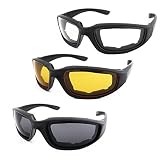
- Goggles seal around the eyes and handle wind, dust and rain best. Choose a foam-backed frame with a strap that fits over the helmet shell.
- Riding glasses with impact-rated lenses suit short rides. Look for wrap-around frames with a seal against side wind.
- Snap-on face shields clip to the helmet and sit further from the face, which suits glasses wearers. They fit models with the right snap pattern, such as many Biltwell-style shells.
- Built-in drop-down visors like the ones on the Pit Boss, HH-65 and Rebellion cut glare but are not sealed, so treat them as sun shades.
Whichever you choose, check that the lens is rated for impact and UV protection, and swap clear lenses for tinted ones when riding at dusk or night.
Warm-weather comfort checklist
- Choose a moisture-wicking liner and wash it weekly in summer.
- Ride with the neck curtain removed when speeds are low and temperatures are high, and refit it for cooler mornings.
- Apply sunscreen to the ears, neck and forehead, since a half helmet leaves these areas exposed.
- Pair the helmet with a light neck gaiter to reduce sunburn and wind chafe.
- Carry a spare clear lens or glasses so you can swap if a ride runs past sunset.
Frequently Asked Questions
Are half helmets legal everywhere?
Laws vary by state and country. Many US states accept DOT-certified half helmets, while some regions require ECE approval or restrict certain styles. Check your local transport authority before buying, and confirm the helmet carries the certification stickers your area requires.
What is the difference between a half helmet and a three-quarter helmet?
A half helmet covers the top of the skull and stops above the ears. A three-quarter or open-face helmet extends lower over the ears and the back of the head. Models like the Biltwell Bonanza and Bell Custom 500 fall in the three-quarter group and offer more coverage than a beanie.
Can I use a Bluetooth headset with a half helmet?
Yes. Many half helmets, including the Pit Boss and GMAX HH-65, have speaker pockets in the neck curtain or ear area. Clamp-style communicators attach to the shell edge, though mounting surfaces are smaller than on full-face helmets.
How should a half helmet fit?
It should sit level on the head, with the front edge about one finger above your eyebrows. It should feel snug all round without causing pressure points, and it should not rotate when you push the shell sideways with the strap fastened.
Do half helmets protect as well as full-face helmets?
No. Even with a DOT-certified shell, a half helmet leaves the face and jaw exposed and covers less of the skull. Many riders accept this trade-off for comfort and style, but anyone prioritising protection should consider a full-face or modular helmet.
How often should I replace a half helmet?
Replace it after any significant impact, even if the shell looks undamaged, and plan on a replacement roughly every five years under normal use. Sweat, sun and heat gradually degrade the liner and adhesives.





Write Your Review
No reviews yet. Be the first to share your experience!