

Key takeaways
- Grips wear first at the contact points, which show up as shiny or cracked rubber.
- Glue-on grips need proper curing time before riding.
- Use grip adhesive designed for the purpose and do not use contact cement near heated grips.
- Check throttle tube freedom after installing new grips to avoid a stuck throttle.
The best motorcycle handlebar grips depend on how you ride: Renthal is the durable, firm, race-proven choice for motocross, ODI lock-on grips are the secure option for off-road riders, Pro Taper Pillow Top is the vibration-damping pick for trail and enduro, and ProGrip gel grips such as the 717 and 724 suit street comfort. Match the grip to your bar diameter, 7/8 inch or 1 inch, before looking at anything else.
Our top picks


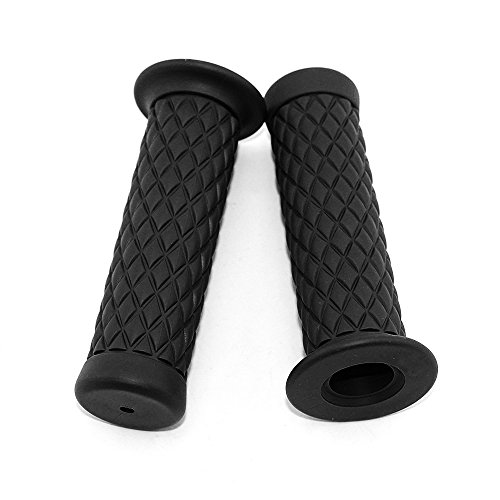
As an Amazon Associate we earn from qualifying purchases at no extra cost to you.
Quick comparison of handlebar grips
| Pick | Best for | Key details | Price range |
|---|---|---|---|
| Renthal Original / Kevlar grips | Motocross and durability | Firmer rubber, glue-on, common on factory race teams | Budget to mid-range |
| ODI lock-on grips (including Emig Pro V2) | Secure, thin-feel off-road grips | Lock-on clamps, no glue, wide range of compounds | Mid-range |
| Pro Taper Pillow Top | Trail, enduro and arm pump relief | Vibrasonix gel pillow, plush feel | Budget to mid-range |
| ProGrip 717 / 724 gel grips | Street and touring comfort | Gel inserts, adhesive-fit, comfort focus | Budget |
| Memory-foam slip-on grips | Cruiser and touring bikes | Thick padded cover, fits standard 7/8 and 1 inch bars | Budget |
| Grip donuts and cushions | Adding comfort to existing grips | Slip-on rubber rings, low cost | Budget |
Best overall for off-road: Renthal
Renthal grips are widely recommended for motocross because the rubber is firmer and wears slowly, which helps predictable control during long rides. They are common among factory racers. The Original series and Kevlar-enhanced versions emphasize longevity.
The trade-off is comfort. Renthal’s rubber is stiffer than ProGrip, so it transmits more vibration. Some riders prefer that feel for feedback, while others get hand fatigue on long trail days.
Best for secure fit: ODI lock-on
ODI’s lock-on system uses clamps instead of glue, which makes installation and replacement quick. The range includes the Emig Pro V2, described as a thin-diameter and secure lock-on grip for technical riding. Lock-ons are also useful if you change grips often.
Some forum riders say lock-ons transmit more vibration than glue-on grips, and the clamps add a small amount of bulk. Check that the clamps do not interfere with your levers or switches.
Best for comfort and arm pump relief: Pro Taper Pillow Top
Pro Taper’s Pillow Top grips use a gel pillow to dampen vibration, and trail and enduro riders often choose them to reduce arm pump. They feel thicker than the thin race grips, so some riders find them less precise at speed.
Best for the street: ProGrip gel
ProGrip 717 and 724 gel grips are recommended for long rides where hand fatigue is a concern. They require adhesive and are not a quick swap. They are commonly used on street bikes, adventure bikes and dual-sport models.
Best budget comfort upgrade: foam and slip-on grips
Memory foam covers and rubber donuts are a cheap way to add cushioning. They work best for casual riders and commuters. Over time, foam compresses and can loosen, so check fit and replace it when it turns hard or sticky.
How to choose handlebar grips
Match bar diameter
Most street bikes and dirt bikes use 7/8 inch bars. Many cruisers use 1 inch. A grip for the wrong size will not seat properly, so measure the bar or check the manual. Throttle tube compatibility also matters.
Choose a compound
Softer compounds absorb vibration but wear faster. Harder compounds last longer and give more feedback. Pick based on how long your rides are and how much vibration you feel.
Decide glue-on or lock-on
Glue-on grips are lighter and cleaner. Lock-ons are faster to change. If you ride in wet or muddy conditions, lock-ons stay secure when properly clamped.
Think about diameter and hand size
Thicker grips reduce wrist strain for riders with large hands. Thin grips offer finer control for small hands.
A worked example: choosing by ride type
A rider doing three-hour trail rides and getting arm pump might try Pro Taper Pillow Top or a softer ODI compound. A track rider who values feel might stick with Renthal. A commuter on a 7/8 inch street bike with numb hands can try ProGrip gel or a cushion cover. Try one change at a time and give the new grips about 100 miles before judging.
Ownership realities
- Grips wear first at the contact points, which show up as shiny or cracked rubber.
- Glue-on grips need proper curing time before riding.
- Use grip adhesive designed for the purpose and do not use contact cement near heated grips.
- Check throttle tube freedom after installing new grips to avoid a stuck throttle.
Decision matrix: which grip for which rider
| Your situation | Choose | Why |
|---|---|---|
| Motocross racer | Renthal | Firm, durable, feedback |
| Frequent grip swaps | ODI lock-on | No glue needed |
| Arm pump on trails | Pro Taper Pillow Top | Gel damping |
| Street commuter with tired hands | ProGrip gel | Comfort on long rides |
| Cruiser rider on 1 inch bars | Foam or padded cover | Thick, soft feel |
How to install grips properly
First, remove the old grip, either by cutting it off or by blowing air under it. Clean the throttle tube with a solvent that leaves no film. Dry-fit the new grip to check length against the throttle housing, leaving a small gap so the throttle does not bind. If you use glue, apply a thin layer, slide the grip on and rotate it into place before the glue sets. For lock-ons, tighten the clamps evenly and use safety wire if you ride rough terrain. Finally, check that the throttle snaps back freely before starting the engine.
Buying checklist
Measure your handlebar diameter with calipers, check whether your throttle tube is a standard design, and decide whether you want glue-on or lock-on grips. Think about your gloves: thick winter gloves make thin grips feel even thinner. Pick a compound for your riding length, softer for long days and firmer for short, aggressive sessions. Buy grips with an open end or a bar-end plug that matches your bars, and keep a small tube of grip adhesive in the garage for the next change.
Frequently Asked Questions
How often should I replace grips?
Replace them when the rubber is worn smooth, hard or cracked. For regular riders, that is often every season or two, depending on the compound.
Are lock-on grips better than glue-on?
Neither is better overall. Lock-ons are quick to install and swap, while glue-on grips are lighter and have a cleaner look.
Why do my hands go numb on long rides?
Vibration, grip diameter and wrist angle can all contribute. A softer or thicker grip may help, but persistent numbness is worth discussing with a medical professional.
Can I put new grips over old ones?
Slip-on cushion covers can go over existing grips, but permanent grips should be installed directly on a clean bar and throttle tube.
What size grips do I need?
Most sport and dirt bikes use 7/8 inch handlebars. Many cruisers use 1 inch. Measure your bar and compare it to the grip’s listing.
More from Amazon
Programs that pair well with the guide above. Offers and eligibility are set by Amazon and may change.
Free shipping on eligible items, Prime Video and more. Eligible new members can start with a free trial.
Start a Prime free trialA Prime membership for ages 18-24 with a trial period. Eligibility is set by Amazon.
See Prime for Young AdultsAudiobooks and podcasts to listen to on the go. Eligible new members can start with a free trial.
Try Audible freeAd-free music streaming. Eligible new subscribers can start with a free trial.
Try Music Unlimited freeAs an Amazon Associate we earn from qualifying purchases.







Write Your Review
No reviews yet. Be the first to share your experience!