

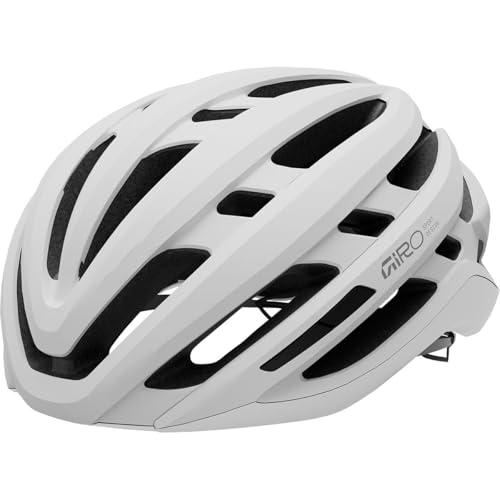
The best bike helmet in 2026 is one that carries a rotational-impact system such as MIPS, fits snugly without pressure points, and weighs little enough that you forget it is on. For most road and commuting riders the Giro Aether Spherical is the premium safety pick, the Bell Z20 MIPS is the best all-rounder for road riding, and the Giro Fixture MIPS II is the sensible budget choice.
Our top picks



As an Amazon Associate we earn from qualifying purchases at no extra cost to you.
Quick comparison of the top bike helmets
| Pick | Best for | Key specs (approximate) | Price tier |
|---|---|---|---|
| Giro Aether Spherical | Safety-first road riders | MIPS Spherical, about 280 g, 20+ vents | Premium |
| Bell Z20 MIPS | Hot-weather road rides | MIPS, about 280-300 g, large vents | Upper mid-range |
| Specialized Align II MIPS | Value for fast commuters | MIPS, about 300 g, adjustable dial | Mid-range |
| Giro Fixture MIPS II | Budget, all-purpose | MIPS, about 300-340 g, 26 vents | Budget |
| Thousand Heritage 2.0 | City riding and style | Magnetic buckle, about 340-360 g, rear light mount | Mid-range |
Best overall: Giro Aether Spherical
The Aether Spherical uses a two-shell ball-and-socket design that lets the outer shell rotate relative to the inner one during an angled impact. The manufacturer positions it as its top road helmet, and it keeps weight near the 280 g mark in a medium. It suits riders who log long weekly miles and want the most advanced protection concept available. The trade-off is cost: you pay a clear premium over a standard MIPS helmet, and the ventilation is good rather than class-leading.
Best for hot-weather road riding: Bell Z20 MIPS
Bell’s Z20 is built around airflow, with large intake vents and internal channeling. It fits narrow to medium heads well, and the Float Fit dial lets you fine-tune the rear cradle. It is a strong choice for summer miles and climbing. The main downside is that the large vents leave less shell coverage, so it feels less protected from rain and cold than a more closed design.
Best value for commuters: Specialized Align II MIPS
The Align II brings a MIPS liner, a simple adjustment dial and a clean shape in a mid-range package. It is a good fit for people who ride to work five days a week and want a helmet that works with glasses and a rear light clipped to the straps. It lacks the premium comfort padding and extreme venting of pricier models.
Best budget pick: Giro Fixture MIPS II
The Fixture is the helmet to buy when you want a respected brand, a rotational liner and a universal fit without spending much. It is a touch heavier and less refined than the Aether or Z20, but for fitness rides and casual use it covers the essentials. Expect a universal fit range of roughly 54-61 cm per the manufacturer’s sizing chart.
Best for city riding: Thousand Heritage 2.0
Thousand targets urban riders with a rounded, low-profile shell, a magnetic buckle you can close with gloves on, and a mount for a small rear light. It trades some airflow and weight for style and convenience. It suits short daily trips and bike-share use better than long fast rides in summer.
How to choose: sizing and fit in numbers
Measure your head with a soft tape about 2 cm above the eyebrows, around the widest part. Compare that figure with the maker’s chart, since sizes overlap and brands run differently.
- Small: roughly 51-55 cm
- Medium: roughly 55-59 cm
- Large: roughly 59-63 cm
The helmet should sit level, with the front edge about two finger widths above your eyebrows. The side straps should form a V just below your ears, and the chin strap should allow one finger between strap and chin. If the helmet moves more than a centimeter when you shake your head with the strap fastened, adjust the dial or size down.
Decision matrix by rider situation
| Your situation | Choose | Why |
|---|---|---|
| Over 150 km a week, road | Aether Spherical or Z20 | Weight and ventilation matter over long rides |
| Daily commute under 10 km | Align II or Heritage 2.0 | Easy adjustment, light mount, practical looks |
| Casual weekend rider | Fixture MIPS II | Lower cost, good basic protection |
| Hot climate | Z20 MIPS | Largest airflow channels in this group |
Durability and ownership realities
Foam liners age. Most helmet makers advise replacing a helmet every 3 to 5 years even without a crash, because sweat, UV and heat degrade the materials. Replace it immediately after any impact, even if no damage is visible. Wash pads with mild soap and cool water, never solvents, and avoid leaving the helmet in a hot car, where adhesive and EPS foam can be affected. The straps and dial are the parts that wear first, so check them each season.
Common mistakes
- Wearing the helmet tilted back, which exposes the forehead.
- Buying on style and ignoring head shape; round and oval heads fit brands differently.
- Assuming a higher price always means safer. Certification (CPSC in the US, EN 1078 in Europe) sets a baseline all legal helmets meet.
- Skipping the rear dial adjustment after a change of hairstyle or a cap under the helmet.
Choosing a Bike Helmet in Six Steps
Shoppers often compare vent counts and logos before they ask the questions that matter most. A better approach is to move through a short sequence, because each answer removes options and makes the next choice easier.
- Name your main use. Fast road miles, a daily commute, a weekend loop with family and short trips on a bike-share each call for different priorities. Pick the one you will do most often, not the rare exception.
- Check the legal standard. A helmet sold legally in your region already meets a baseline such as CPSC in the United States or EN 1078 in Europe. Treat that as the entry ticket rather than a selling point.
- Take a real head measurement. Use the numbers in the sizing section above and compare with the maker chart. Universal-fit helmets like the Fixture MIPS II rely on a dial, so test the range of that dial against your head, not just the label.
- Decide on rotational protection. Every pick in this guide includes a MIPS liner or the Spherical design in the Aether. If your shortlist includes a helmet without one, ask why it deserves a place.
- Consider heat and weather. Big vents, like those on the Z20 MIPS, help in summer but let in rain and cold. Smaller vents and a rounder shell, as on the Thousand Heritage 2.0, suit mixed city weather.
- Test the little things. Dial feel, strap comfort, glasses compatibility and buckle operation with gloves are what you notice every day after the novelty fades.
If you follow those steps and still cannot choose, return to the fit. A helmet that sits level and snug on your head, every time you put it on, beats a more advanced one that rides slightly crooked.
When a Different Helmet Type Makes More Sense
Road-style helmets are popular because they are light and cool, but they are not the only answer. Think about whether one of these situations describes you.
- You ride mountain bike trails. Trail riding often calls for deeper rear coverage and a visor, because falls tend to happen at the back and sides of the head. A road helmet will work for gravel paths, but not for rough descents.
- You ride in cold or wet weather most of the year. A heavily vented shell can feel drafty. Look for a model with smaller vents or pair a thin cap and cover with your current helmet.
- You are buying for a child. Children need helmets sized for them, not adult universal models. Do not use an adult helmet with extra pads to make it fit.
- You use an electric bike at higher speeds. Fast e-bikes may call for helmets with extended coverage or specific standards, so read the rules for your class of bike and your local law before choosing.
- You ride rarely and in a park. A plain, well-fitting helmet is enough. The most advanced model offers little extra benefit if it stays on a hook.
The aim is not to talk you out of the picks above. It is to make sure the category suits the way you ride before you compare the models within it.
Setting Up and Adjusting Your New Helmet
Many riders wear a helmet for years without ever setting it up correctly. A careful adjustment takes about five minutes and changes both comfort and protection.
Start with the pads and dial
Loosen the retention dial fully, place the helmet on your head and tighten the dial until it holds the head without squeezing. Pay attention to the rear cradle: it should sit low on the back of the skull, below the bump at the base of the head, not on top of it.
Set the side straps
The straps should form a V that meets just below each earlobe. Slide the splitters up or down until the V sits cleanly and the strap does not touch the ear. A strap that rubs the ear will annoy you on every ride.
Tighten the chin strap
Fasten it so that one finger fits between the strap and the chin. Open your mouth wide as if yawning. You should feel the helmet pull down slightly. If you feel nothing, the strap is too loose.
Check the front position
The front edge should sit about two finger widths above the eyebrows. A helmet pushed back exposes the forehead, while one pulled too far forward can block your view.
Add accessories carefully
If you use a small rear light, a visor or a cap under the helmet, check the fit with those items in place. A thin cap changes how the dial feels and may require an adjustment.
Recheck after the first week
Padding settles with use. After a week of rides, adjust the dial and straps again and confirm that nothing has loosened.
Picking by Real-Life Situation
These short scenarios use only the helmets already covered above and show how to apply the buying advice in daily life.
- The year-round commuter who locks the bike outside. The Specialized Align II MIPS is practical, since it adjusts easily with one hand and works with glasses. The Thousand Heritage 2.0 is another option if the magnetic buckle and rear light mount appeal to you.
- The weekend road rider who climbs on hot days. The Bell Z20 MIPS is the more natural fit, because airflow is the main issue on long climbs. The Giro Aether Spherical is the choice if you rank protection first and accept a premium tier.
- The new rider who is not sure they will stick with cycling. The Giro Fixture MIPS II offers a respectable brand and a rotational liner at the budget tier, so little is lost if your habits change.
- The urban rider who mixes bike share with walking. The Heritage 2.0 style looks less sporty, so it blends in when you walk into a shop or office. Its buckle is also quick to use with gloves.
- The household with several adult riders of different head sizes. Universal-fit helmets can work across a range, but only when the dial reaches each person correctly. Buy one per rider and check the fit for each person rather than sharing.
Warning Signs That a Helmet Needs Replacing
Helmets rarely announce when they are finished. Learn to spot the signs yourself.
- Any crash or hard drop. If your head hit something, or the helmet fell from a height onto a hard surface, replace it even if it looks fine. Foam compresses on impact and does not fully recover.
- Cracks or dents in the shell. Hairline cracks in the plastic or compressed areas in the foam mean the structure is compromised.
- Brittle or discolored plastic. Long sun exposure can make the outer shell brittle. If the color is chalky or the surface flakes, retire it.
- Straps that fray, stretch or slip. Webbing wears out over time. A strap that will not hold its adjustment cannot keep the helmet in place.
- A dial that no longer holds. If the cradle loosens during a ride, the helmet is not stable on your head.
- Sticky or loose padding. Padding that has hardened, shrunk or detached changes the fit and the comfort.
- Age. Even a helmet that is untouched should be replaced within the window the maker suggests, since sweat, UV light and heat age the materials.
Replacing a helmet can feel wasteful, but the cost of a new one is small compared with the risk of wearing a damaged one.
Small Problems and Practical Fixes
| Issue | What usually causes it | Fix to try |
|---|---|---|
| Pressure on the forehead | Helmet sits too low or the shape is wrong | Raise the helmet, adjust the cradle height or test another brand |
| Strap buzzes in the wind | Loose or twisted webbing | Flatten the strap and tuck the extra length under the keeper |
| Sunglasses arms press on the head | Helmet vents or padding interfere | Move the glasses forward or try slimmer arms |
| Rattling when riding over rough roads | Dial not tight enough | Tighten the dial slightly and check the rear cradle position |
| Sweat in the eyes | Pads full of salt or poor pad contact | Wash the pads or use a thin cycling cap |
| Helmet slides back on the head | Strap splitters too far forward | Reset the side straps and tighten the chin strap |
More Questions Buyers Ask
Do I need a separate helmet for each type of riding?
Not always. One well-fitted road or commuter helmet covers most paved riding. If you add rough trails, a dedicated mountain bike helmet with deeper coverage is a sensible second purchase.
Can I wear a hat or headband under my helmet?
A thin cycling cap or sweat band is fine. Thick winter hats change the fit and make the helmet loose when you remove them, so adjust the dial each time you change what you wear underneath.
Are second-hand helmets a good idea?
Generally no. You cannot know whether it has been in a crash, how it was stored or how old the materials really are. A new helmet with a known history is safer.
Do bright colors really make a difference?
Bright or reflective colors improve visibility to drivers, especially at dawn, dusk and in rain. If you commute in low light, a light color or reflective detail is a useful extra on top of lights on the bike.
How do I clean my helmet without damaging it?
Use mild soap, cool water and a soft cloth. Remove pads if they are removable and let everything air dry away from direct heat. Avoid strong detergents, alcohol and solvents, which can weaken the foam and the shell.
Frequently Asked Questions
Is MIPS worth it on a bike helmet?
MIPS adds a low-friction layer designed to reduce rotational forces during angled impacts. Lab studies support the concept, though real-world benefit varies by crash type. Because the added cost is modest on many models, most riders find it worthwhile.
How tight should a bike helmet be?
Snug enough that it does not shift when you shake your head, but without pressure points or headaches. Fit should feel even all around, with the chin strap comfortable and a finger gap beneath your chin.
How often should I replace my bike helmet?
Replace it after any crash and generally every 3 to 5 years. Check the manufacturer’s guidance, since materials and storage conditions affect the lifespan.
Can I use a road helmet for commuting?
Yes. Road helmets are light and well ventilated, which suits commuting. If you ride in rain or cold often, consider a model with a less vented shell or a helmet cover.
Do expensive helmets protect better?
Not automatically. All helmets sold legally must pass the same baseline standard. Higher prices usually buy lower weight, better ventilation, advanced liners and finer adjustments.


Write Your Review
No reviews yet. Be the first to share your experience!