

Key takeaways
- Pinlock 30: Entry level. Fine for fair-weather commuting and short rides.
- Pinlock 70: Mid grade, often supplied in the box with mid-range helmets.
- Pinlock 120: High grade. Reviewers consider it a sound choice for year-round riders.
- Pinlock 120 XLT and 200 XLT: The newer lines. Pinlock describes the 120 XLT as using a new material formula for better clarity, and reports describe the 200 XLT as its most advanced insert, launched in 2025 and in wider release in early 2026.
The most effective way to stop a motorcycle visor fogging is a genuine Pinlock insert fitted to a Pinlock-ready visor, and the right grade (30, 70, 120 or the newer 200 XLT) depends on your climate and how much the insert will be used. If your helmet has no Pinlock pins, a film-style universal insert or a carefully chosen anti-fog treatment is the fallback, but both are generally less durable than a purpose-fitted double-lens system. Pick by what your helmet can accept, then by how cold and damp your rides are.
Our top picks


As an Amazon Associate we earn from qualifying purchases at no extra cost to you.
At a Glance: Anti-Fog Options Compared
| Option | Best for | How it works / stated detail | Limits |
|---|---|---|---|
| Pinlock 120 / 120 XLT | Daily riders in cool, damp climates | Moisture-absorbing insert sealed against the visor; the 120 XLT is described as giving the same top-level anti-fog protection with a new material for better optical clarity | Needs a Pinlock-ready visor; scratches easily |
| Pinlock 200 XLT | Riders who want the newest top tier | Reported as Pinlock’s most advanced insert, launched at EICMA 2025, public availability early 2026, used in MotoGP | Fewer helmet fitments at first; premium tier |
| Pinlock 70 | General road use | Mid grade; supplied with some HJC and LS2 visors | Absorbs less moisture than 120 |
| Pinlock 30 | Occasional use, mild weather | Described by Motorcycle News as the entry level that still makes a large difference compared with no insert | Saturates sooner in heavy rain |
| Shoei CWR-1 with Pinlock EVO | Shoei owners | Visor listed by a 2026 roundup as a premium pick with a Pinlock 120 | Shoei fitment only |
| Arai SAI MaxVision | Arai owners | Listed with a Pinlock 120 | Arai fitment only |
| Universal film insert (InVision Pro Shield, WeePro Universal) | Helmets without Pinlock pins | Film stuck or fitted to the visor interior | Optical quality and durability vary |
| Anti-fog sprays and wipes | Emergency or low-cost use | Surface treatment | Must be reapplied; effect is short |
How Pinlock Works
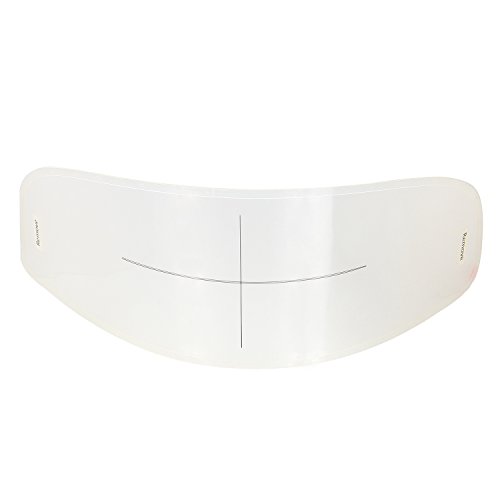
Pinlock describes its system as a lens that stores moisture with a surface that attracts water molecules, together with an airtight seal that forms a thermal barrier and stops the visor from condensing. In practice you have a thin second lens clipped onto two pins in the visor and sealed around the edge with a silicone gasket. Breath moisture is absorbed by the insert, and the trapped air layer insulates it from the cold outer shield. When the insert becomes saturated it can mist, and it needs time to dry before it works again.
The maker says it has integrated its pins with a number of helmet brands, including AGV, Arai, Bell and Shoei. If your helmet already has the pins, you can add an insert for a modest outlay. If it does not, there are visors sold with the pins fitted, and some helmets can be upgraded with a pin-ready visor from the manufacturer.
Understanding the Grades
- Pinlock 30: Entry level. Fine for fair-weather commuting and short rides.
- Pinlock 70: Mid grade, often supplied in the box with mid-range helmets.
- Pinlock 120: High grade. Reviewers consider it a sound choice for year-round riders.
- Pinlock 120 XLT and 200 XLT: The newer lines. Pinlock describes the 120 XLT as using a new material formula for better clarity, and reports describe the 200 XLT as its most advanced insert, launched in 2025 and in wider release in early 2026.
The numbers refer to the maker’s internal anti-fog capacity ratings. A higher number means longer protection before saturation, but a higher grade does not help if the seal is poor or the insert is dirty.
The Main Options in Detail
Genuine Pinlock inserts
Biker Rated’s 2026 edition names the genuine Pinlock insert, available in clear or yellow, as its pick. Motorcycle News calls the Pinlock 30 the entry-level product and says it makes a huge difference compared with no insert. The downsides repeated across reviews are that inserts only fit Pinlock-prepared visors, scratch easily and need replacing when damaged. Plan to handle them by the edges.
Brand-matched visors
For many riders the simplest route is to buy the visor made for their helmet and a matching insert. A 2026 roundup lists the Shoei CWR-1 with Pinlock EVO as a premium pick and the Arai SAI MaxVision with a Pinlock 120 as another. It also mentions HJC visors with a Pinlock 70 and LS2 visors with a Pinlock 70, which are lower in cost. Using a visor that is designed for your helmet gives a good seal and correct pin spacing.
Universal and film inserts
Biker Rated names the InVision Pro Shield as a cheaper alternative that fits pin-locked or standard visors, and Motorcycle News calls the WeePro Universal useful if your helmet does not have Pinlock pins. Film products can be a lifeline for helmets that cannot take a Pinlock, but fitment, optical clarity and lifespan vary, and bubbles or distortion are possible if the application is poor.
Sprays, wipes and cleaners
Treatments such as sprays and wipes leave a thin film that reduces droplet formation. Their effect is short-lived, and the wrong product can smear or damage coatings. Use only treatments that the visor maker approves, and do not use them on the inside of a Pinlock insert, which the maker designs to absorb moisture rather than carry a coating.
Fit and Compatibility Notes
- Check the pins. Look for two small pins on the inside of the visor, one on each side. No pins, no Pinlock.
- Match the shape. Inserts are shaped for particular visors. Use the part number or fitment guide from your helmet maker.
- Seal the gasket. Press the silicone seal evenly against the visor. A gap lets moist air in and fogs the lens.
- Clear or tinted. Clear is the all-rounder. Yellow insert versions boost contrast in gloom but are not for night riding. Dark tints should not be used at night.
- Visor certification. Replacement visors should be marked appropriately for road use in your region. Do not use a scratched or damaged visor.
- Spectacle wearers. A well-fitted insert and a tight helmet seal around the face help, but breath going upward is the problem. A breath deflector or nose guard supplied with many helmets reduces fogging.
Tips to Reduce Fogging Whatever You Buy
- Crack the visor slightly at traffic lights so that air can circulate.
- Use the helmet’s chin vent and breath deflector, and keep them clean.
- Do not breathe onto the visor in the cold. Pull the neck warmer snugly so breath is directed downward.
- Dry the insert at room temperature. Never use a hairdryer or any strong heat on it.
- Avoid wiping the insert with a rag. Pat dry with a soft microfibre cloth if needed.
Budget Tiers and Trade-offs
- Budget: Pinlock 30 or universal film. Good for mild climates but needs earlier replacement.
- Mid-range: Pinlock 70 or 120 inserts supplied with a brand-matched visor.
- Premium: Pinlock 120 XLT or 200 XLT with a brand visor such as the Shoei CWR-1 or Arai SAI MaxVision.
Pick X If… Decision Table
| Pick this | If you |
|---|---|
| Pinlock 120 or 120 XLT | Ride year-round in cool, damp climates and have Pinlock pins |
| Pinlock 200 XLT | Want the newest grade and your helmet is supported |
| Pinlock 70 | Commute moderate distances and want mid-range protection |
| Pinlock 30 | Ride rarely or in mild weather |
| Brand-matched visor (Shoei CWR-1, Arai SAI MaxVision) | Own that helmet and want the cleanest fit |
| InVision Pro Shield or WeePro Universal | Have a helmet without Pinlock pins |
| Anti-fog spray | Need a stopgap treatment |
Alternatives Worth Considering
- Helmets with built-in fog-resistant visors. Some helmets ship with a Pinlock-ready visor and an insert in the box, which saves buying them separately.
- Dual-pane or heated visors. A few systems add electrical heating. Follow the maker’s wiring instructions, and consult an electrician or motorcycle technician if you are unsure about the installation.
- Open-face helmets with goggles. Goggle-style lenses have vented frames and sometimes their own anti-fog coatings.
Care and Replacement
Rinse the visor with lukewarm water and a little mild soap, then pat dry with a soft cloth. Keep the insert out of direct sunlight in storage. Do not use solvent cleaners on the visor or the insert. Replace the insert if it is scratched, if the silicone seal is damaged or if fogging returns despite a clean fit, and replace the visor if it is cracked or deeply scratched, because damaged visors can reduce visibility at night.
Frequently Asked Questions
Do I need a Pinlock-ready visor?
Yes, for a genuine Pinlock insert. The visor must have the two pins and a compatible shape. Without them you will need a universal film or another approach.
What is the difference between Pinlock 70 and 120?
The number indicates the grade of anti-fog capacity. The 120 is the higher grade, intended to resist fogging for longer in cold, damp conditions. The 70 is cheaper and works well for moderate use.
Can I use an anti-fog spray on a Pinlock insert?
The maker designs the insert to absorb moisture, so adding a coating may undermine it. Follow the instructions from Pinlock and the helmet maker.
Why does my Pinlock still fog?
The most common causes are a poorly seated seal, a saturated insert, a scratched surface or breath being driven upward by a loose neck gaiter. Reseat the insert, dry it at room temperature and try again.
Is the 200 XLT worth waiting for?
It is described as the most advanced option, but availability depends on your helmet model. If your helmet already supports a 120 or 120 XLT, that is a strong choice now.
Can I use a yellow insert at night?
Yellow or tinted inserts reduce light reaching your eyes, and reviewers advise against dark tints at night. Use a clear insert after dark, and follow local rules about visor tint.







Write Your Review
No reviews yet. Be the first to share your experience!