

Key takeaways
- Fit beats price. A well-fitted budget helmet is safer than a poorly fitted premium one. The helmet should be snug with no pressure points and should not roll forward when you tilt your head.
- Head shape. Most premium helmets here are listed as intermediate oval. Try before you buy if your head is round or long.
- Certification. DOT is the US minimum, ECE 22.06 is the newer European standard, and Snell is voluntary. Look for the label inside the helmet.
- Replace after an impact. Makers advise replacing a helmet after a significant impact or drop, and after the interval stated in the manual.
- Visibility. Light or bright colours can help other road users see you, though they are not a substitute for careful riding and protective gear.
- Cleaning. Wash shields with mild soap and a soft cloth, and wash removable liners as the manual instructs.
For most daily commuters, a modular helmet such as the HJC i91 or Shoei Neotec 3 suits stop-and-go city riding, a lightweight full-face such as the AGV K6 S or Shoei RF-1400 suits riders with longer highway stretches, and the LS2 Stream II or Scorpion EXO-R430 suit anyone who wants current certification on a tight budget. The Sena Outrush R is the pick for riders who want Bluetooth built in from the start. A good commuter helmet is quiet, light enough for daily wear, easy to operate with gloves, and equipped with a drop-down sun visor and a fog-resistant shield.
Our top picks


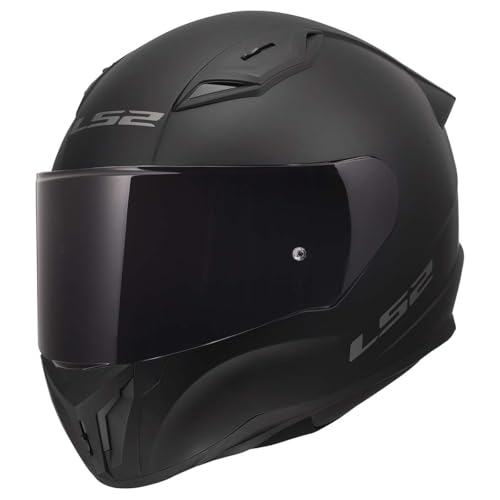
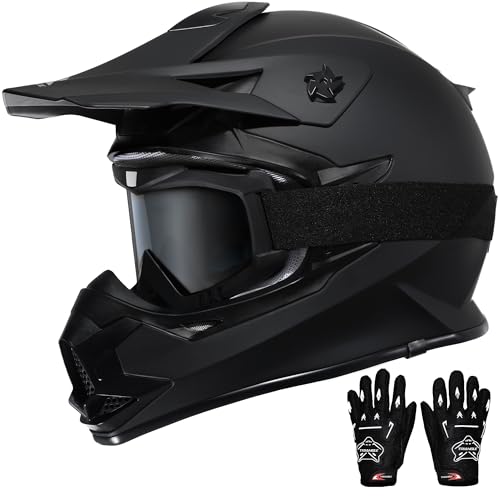
As an Amazon Associate we earn from qualifying purchases at no extra cost to you.
Commuter helmets at a glance
The table summarises what review outlets such as thelidtest, GearJunkie, Rips and Rides and Kick The Stand report about each model. Weights and features vary by size and year, so read the maker’s listing and the label inside the helmet before buying.
| Helmet | Style | Notable stated features | Certification noted | Best for | Limits reported |
|---|---|---|---|---|---|
| Shoei RF-1400 | Full-face | Quiet, aerodynamic sport-touring shape | DOT, ECE 22.06 per reviewers | Long highway commutes | Premium tier |
| AGV K6 S | Full-face | Carbon-aramid shell, about 1,255 g, 190-degree visor view | ECE 22.06 | Lightest feel, daily neck comfort | No internal sun visor; fiddly vents with gloves |
| Shoei Neotec 3 | Modular | Quiet, easy glove operation, internal sun visor | ECE 22.06, DOT | Premium flip-up for commuters and tourers | Heavier; comms bought separately |
| HJC RPHA 91 | Modular | Carbon-blend shell, removable chin bar, HJC Smart Bluetooth compatibility | Not confirmed here | Touring-leaning modular | Upper-mid to premium tier |
| HJC i91 | Modular | Pinlock-ready shield, factory drop-down sun visor | DOT | Mid-range city riders | Reviewers say the main visor feels flimsy |
| HJC i100 | Modular | Flip-front for frequent stops | Not confirmed here | Mostly under about 40 mph | Fewer reviewer details |
| Sena Outrush R | Modular with comms | Bluetooth speakers, mic and 4-way intercom in the shell, sun visor | DOT | All-in-one communications | Electronics age with the helmet |
| LS2 Stream II | Full-face | Drop-down sun visor, rotational-energy management stated | DOT, ECE 22.06 | Budget | Basic fit and finish |
| Scorpion EXO-R430 | Full-face | Comm-ready ports | DOT and Snell M2025 | Safety-focused budget | Fewer comfort extras |
| Bell Qualifier | Full-face | Padded wind collar | DOT | Budget highway use | Basic features |
Choosing by commute type
Stop-and-go city commuting
If you spend your commute at traffic lights, a modular helmet lets you lift the front to talk, drink or catch a breath. Helmetshop suggests a modular such as the HJC i100 or Shoei Neotec 3 if most of your ride is under about 40 miles per hour with frequent stops. Rips and Rides names the HJC i91 as best overall in its commuter guide, and another outlet notes that the i91 is Pinlock-ready and has a factory drop-down sun visor. Keep the chin bar closed while the bike is moving, as makers advise.
Mixed city and highway
A quiet, aerodynamic shell matters more once speeds climb. Kick The Stand ranks the Shoei RF-1400 first for commuters, describing it as a quiet, aerodynamic benchmark. If you ride at motorway speed each day, a full-face is generally quieter than a modular, according to Helmetshop. The AGV K6 S is recommended by GearJunkie for daily commuters and highway riders who put neck fatigue ahead of maximum airflow.
Hot-climate commuting
Ventilation matters when you wear a helmet daily in warm weather. Look for adjustable intake and exhaust vents that can be operated with gloved fingers. The K6 S is credited with excellent ventilation, but its vent sliders can be fiddly with gloves, so try them before committing.
Rainy-season commuting
A Pinlock-ready shield with an anti-fog treatment and a drop-down sun visor for changing light are the most useful features. The HJC i91 and the Bell Lithium MIPS (listed in other guides with a Pinlock insert) are examples. Replace scratched shields, since they scatter oncoming headlights.
The main picks in detail
Sena Outrush R
Thelidtest names it the best all-in-one commuter helmet. It integrates Bluetooth speakers, a microphone and a four-way intercom within the shell and includes a sun visor. That avoids shopping for a separate headset, but if the battery fails later, the helmet may need service. Sena states what its units pair with; confirm compatibility with a riding partner’s unit before relying on the intercom.
LS2 Stream II
The budget pick in the same guide. It lists DOT and ECE 22.06 certification, a drop-down sun visor and rotational-energy management. It is the type of helmet to consider if you need something dependable for a short city ride, though budget helmets typically use a polycarbonate shell and basic liner.
Scorpion EXO-R430
Described by thelidtest as the safety-per-dollar pick, with DOT plus the current Snell M2025 rating and comm-ready ports so a communicator can be added later. Snell is a voluntary standard that some riders look for.
Bell Qualifier and HJC C10
Rips and Rides names the Bell Qualifier its best budget pick, and Fuhrmann Management recommends it for motorway miles thanks to a padded wind collar. Product Review Crew picks the HJC C10 for riders needing modern safety on a strict budget. Both are plain helmets without frills.
Scorpion EXO-GT930 Transformer
Thelidtest describes it as a convertible design with a removable chin bar, sun visor and dual certification, meaning it can be configured as a full-face or open-face. It’s the choice for a commuter who changes helmet style depending on the weather, though an open-face configuration offers less protection.
Budget tiers and what you give up
Budget helmets in the LS2, Scorpion, Bell and HJC C10 range typically use polycarbonate or similar shells, simpler liners and fewer vents. They can still carry current certification, which is the part that matters most for protection. What you usually give up is low weight, refined noise control, premium optics and a long-lasting liner. Mid-range helmets such as the HJC i91 add a better sun visor, Pinlock readiness and a more comfortable interior. Premium helmets such as the Shoei RF-1400, Neotec 3 and AGV K6 S add composite shells, lower weight and the quietest ride, which pays off when you wear the helmet for an hour or more every day.
Reviewers also point out that the commuting market is crowded with listings that look similar. When two helmets appear equal, compare the certification label, the shield system, the liner removability and the maker’s stated warranty and replacement-parts availability. Parts such as replacement shields, cheek pads and visor mechanisms matter for a helmet that will be used every day for years.
Pick this if you commute like this
| If you… | Consider | Why |
|---|---|---|
| Ride short city hops with frequent stops | HJC i91 or i100 | Flip-front convenience at mid-range tier |
| Cover long highway commutes | Shoei RF-1400 | Quiet aerodynamic shape |
| Worry about neck fatigue | AGV K6 S | Reported at about 1,255 g |
| Want Bluetooth without shopping separately | Sena Outrush R | Integrated speakers, mic and intercom |
| Need certified safety at the lowest tier | LS2 Stream II or Scorpion EXO-R430 | Current certifications at budget level |
| Want to add comms later | Scorpion EXO-R430 | Comm-ready ports |
Fit, safety and care notes
- Fit beats price. A well-fitted budget helmet is safer than a poorly fitted premium one. The helmet should be snug with no pressure points and should not roll forward when you tilt your head.
- Head shape. Most premium helmets here are listed as intermediate oval. Try before you buy if your head is round or long.
- Certification. DOT is the US minimum, ECE 22.06 is the newer European standard, and Snell is voluntary. Look for the label inside the helmet.
- Replace after an impact. Makers advise replacing a helmet after a significant impact or drop, and after the interval stated in the manual.
- Visibility. Light or bright colours can help other road users see you, though they are not a substitute for careful riding and protective gear.
- Cleaning. Wash shields with mild soap and a soft cloth, and wash removable liners as the manual instructs.
Alternatives to consider
- Full-face with a clip-on communicator. Lets you pick the audio unit separately.
- Adventure-style helmets. Useful if your commute includes unpaved roads, though they can be noisier.
- Open-face or half helmets. Lighter and cooler, but they provide notably less protection to the face and jaw, so many safety advocates advise against them for daily highway use.
Frequently Asked Questions
Is a modular or full-face helmet better for commuting?
Modular helmets suit frequent stops, while full-face helmets are generally quieter and simpler for sustained highway speeds. If you can only buy one, consider where most of your commute time is spent. Either style is fine when certified and well fitted.
Do I need a sun visor?
For commuting at dawn and dusk or through tunnels, an internal drop-down sun visor is very convenient. Several helmets here include one, while the AGV K6 S and Shoei RF-SR do not and rely on tinted shields or sunglasses.
How long should a commuter helmet last?
Many makers suggest replacing helmets after around five years of use, sooner if damaged. Daily wear, sweat and heat accelerate liner wear, so a looser fit is another prompt to replace.
Can I use earbuds or a speaker while riding?
Rules vary by location and safety advisers caution against anything that blocks traffic sound. A helmet-integrated or helmet-mounted communicator with moderate volume is usually considered more practical. Check local law.
What does Pinlock mean?
Pinlock is a removable inner lens that creates an insulating air layer to reduce fogging. It’s useful in rain and cold weather. Some helmets include the insert and others sell it separately.
Is a cheaper certified helmet good enough?
A certified budget helmet meets the standard it is labelled with, and fit is critical. Premium helmets typically add lower weight, less noise and better ventilation and finish, which matter more on long daily rides.





Write Your Review
No reviews yet. Be the first to share your experience!