

Key takeaways
- Measure around the largest part of your head, about one inch above the eyebrows, and compare with the maker’s chart.
- The helmet should sit level, about two finger-widths above the eyebrows, with the straps forming a Y just below each ear.
- You should be able to fit one or two fingers between your chin and the strap.
- Shake your head with the dial tightened; the helmet should not shift.
- Try it with your riding glasses to check the arms do not press or conflict with the vents.
- Replace after any significant crash, even if damage is not visible, and follow the maker’s guidance on age. Clean with mild soap rather than solvents.
The POC Cularis suits riders who put independent safety data first, the Fox Speedframe Pro suits riders who want a lighter, well ventilated trail helmet at a lower cost, the Specialized Tactic 4 suits buyers on a budget, and a certified full-face such as the Troy Lee Designs Stage or Leatt Enduro 2.0 suits enduro and bike park riders. Reviewers at Bikerumor, Outside, Treeline Review, BikeRadar and Switchback Travel disagree on a single winner, but the same helmets keep appearing, which makes the shortlist below easy to build.
Our top picks


As an Amazon Associate we earn from qualifying purchases at no extra cost to you.
Mountain Bike Helmet Picks at a Glance
| Helmet | Best for | Reported specs | Main limit |
|---|---|---|---|
| POC Cularis | Safety-first trail riding | Bikerumor lists about 440 g in large; Virginia Tech top rating tier, with a score of 7.10 at launch per Pinkbike | Premium price; sizing runs large for some |
| Fox Speedframe Pro | Light, cool trail riding | Bikerumor lists about 394 g in large; Singletracks measured 345 g in medium; MIPS Air Node | Lower OutdoorGearLab impact score than the Cularis |
| Smith Forefront 3 MIPS | Comfort and secure fit | Outside’s top pick; BikeRadar praises comfort and build | Premium price |
| Sweet Protection Trailblazer MIPS | Balanced trail helmet | Top Virginia Tech rating tier per reviewers; good ventilation and adjustability | Less common in shops |
| Giro Aries Spherical | Light cross-country riding | Reviewers describe a lightweight, ventilated design with a top Virginia Tech rating | Premium price |
| Specialized Tactic 4 | Value | Pinkbike notes it ranks fourth for mountain biking at Virginia Tech | Fewer comfort refinements |
| Specialized Camber | Entry level | Bikerumor’s budget pick | Basic features |
| Smith Convoy MIPS | Entry level | BikeTrekker’s best budget pick | Less coverage and venting than premium models |
| Leatt Enduro 2.0 | Affordable full-face | Outside’s best affordable full-face | Heavier than open-face helmets |
Weights vary by size and by who measured them. Vent counts also differ across sources, so use these figures to compare, not as exact specifications.
How to Choose a Mountain Bike Helmet
Coverage
Trail and enduro helmets sit lower at the back and extend further down the temples than road helmets. That extra coverage matters on technical terrain where falls tend to be sideways or backwards. Most trail helmets also have an adjustable visor, which keeps sun and branches out of your eyes.
Rotational impact protection
Reviewers repeatedly say to look for MIPS or a comparable rotational-impact system. The Cularis and Speedframe Pro both use MIPS Air Node. Other brands use their own technologies, such as Giro Spherical and Lazer KinetiCore. A layer of this kind is meant to reduce rotational forces in an angled impact; it does not remove the risk of injury.
Independent ratings
Virginia Tech’s helmet lab publishes independent impact-test ratings for bicycle helmets, and several reviewers cite them. Pinkbike reports the Cularis as the top-rated helmet at launch, Treeline Review says it holds the highest rating among helmets it assessed, and Bikerumor says the Giro Aries Spherical placed among the best ever scored. Ratings reflect lab conditions, so use them as one input alongside fit.
Ventilation and weight
Hot climbs reward airflow. OutdoorGearLab scores both the Cularis and Speedframe Pro at 9.0 for ventilation, while Road.cc praises the Cularis for class-leading airflow but criticises its sweat management. Lighter helmets reduce neck fatigue on long rides, but weight should not outrank fit.
Fit system
A good retention dial and adjustable strap yokes keep the helmet from shifting on rough ground. Road.cc notes the Speedframe Pro has a Fidlock buckle and a Boa fit system for fine adjustment. One Pinkbike commenter found the Cularis ran too large and moved to a medium Fox, which shows why trying on matters.
Best Overall: POC Cularis
Treeline Review names the Cularis its best overall, Bikerumor calls it an easy pick, and Outside gave it its highest impact rating award. OutdoorGearLab’s impact score is 8.7 against 6.5 for the Fox. It carries a larger price than most rivals, and reviewers mention a glasses dock that is less convenient than competitors’ and some sweat management issues. If you value independent safety data and a secure ride, it is the safest recommendation from this roundup.
Best for Light, Cool Riding: Fox Speedframe Pro
Switchback Travel’s top recommendation and BikeTrekker’s best overall. The 2025 version is described as about 30 g lighter than the previous one by Singletracks, which measured 345 g in medium. It has a higher vent count than the Cularis in most listings and a Boa fit system. The trade-off is a lower impact score in OutdoorGearLab’s testing, though both helmets carry a top Virginia Tech rating tier according to reviewers.
Best for Comfort: Smith Forefront 3 MIPS
Outside names the Forefront 3 MIPS its top pick, and BikeRadar praises exceptional comfort, secure fit and quality construction. It is premium priced. Pick it if you ride long days and the helmet is going to sit on your head for hours.
Best Value: Fox Speedframe and Specialized Tactic 4
Outside’s best value is the non-Pro Fox Speedframe, and Garage Gym Reviews and Bikerumor point to Specialized options. Pinkbike’s Seb Stott suggests the Tactic as the budget alternative to the Cularis and notes its high placement at Virginia Tech, although a commenter who owns both says the Cularis has better construction. These are the helmets to consider if you ride regularly but do not want to pay premium prices.
Best Budget Options
The Specialized Camber is Bikerumor’s budget pick and the Smith Convoy MIPS is BikeTrekker’s. Both offer certified protection and a basic fit system at an entry price. You give up venting, coverage and adjustability, which matter more as the terrain gets harder.
Full-Face and Enduro Options
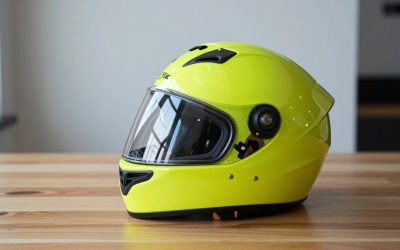
For bike parks, lift access and steep enduro racing, a full-face is a reasonable choice. Outside names the Leatt Enduro 2.0 its best affordable full-face, Switchback Travel picks the Troy Lee Designs Stage, and Garage Gym Reviews offers the O’Neal Sonus Deft as a budget pick that lacks MIPS. Pinkbike calls the Stage the lightest helmet it knows of that meets the full downhill testing standard, at around 685 g. If you plan to ride lift-served terrain, look for the ASTM F1952 certification, which is a downhill-specific standard, rather than the general bicycle standard alone.
Pick X If You Want Y
| If you want | Pick | Watch for |
|---|---|---|
| Best independent safety data | POC Cularis | Price; fit can run large |
| Lightweight trail helmet | Fox Speedframe Pro | Lower impact score in one lab |
| All-day comfort | Smith Forefront 3 MIPS | Cost |
| Cross-country airflow | Giro Aries Spherical | Cost |
| Strong rating on a smaller budget | Specialized Tactic 4 | Build quality compared with premium rivals |
| Entry-level protection | Specialized Camber or Smith Convoy MIPS | Venting |
| Bike park or steep enduro | Troy Lee Designs Stage or Leatt Enduro 2.0 | Heat and weight |
Budget Tiers
Budget: Specialized Camber, Smith Convoy MIPS. Mid-range: Fox Speedframe, Specialized Tactic 4, Leatt Enduro 2.0. Premium: POC Cularis, Fox Speedframe Pro, Smith Forefront 3, Giro Aries Spherical, Sweet Protection Trailblazer.
Fit and Care Notes
- Measure around the largest part of your head, about one inch above the eyebrows, and compare with the maker’s chart.
- The helmet should sit level, about two finger-widths above the eyebrows, with the straps forming a Y just below each ear.
- You should be able to fit one or two fingers between your chin and the strap.
- Shake your head with the dial tightened; the helmet should not shift.
- Try it with your riding glasses to check the arms do not press or conflict with the vents.
- Replace after any significant crash, even if damage is not visible, and follow the maker’s guidance on age. Clean with mild soap rather than solvents.
Alternatives to Consider
- Lazer Impala KinetiCore: BikeRadar’s lead pick, praised for comfort, retention adjustment and ventilation.
- Giro Manifest Spherical: BikeTrekker rates it highly for ventilation and safety technology.
- Bell and Troy Lee trail lids: widely sold and often discounted, but check reviews for the specific model year.
Frequently Asked Questions
Is a mountain bike helmet different from a road helmet?
Yes. Mountain bike helmets usually extend lower at the back and sides, include a visor, and are built for crash patterns on technical terrain. Road helmets are lighter and more aerodynamic but cover less of the head.
Do I need MIPS on a mountain bike helmet?
It is not mandatory, but reviewers advise looking for MIPS or a similar rotational-impact system. These layers are designed to help reduce rotational forces in angled impacts. A good fit still matters more than the label.
What does a Virginia Tech rating mean?
Virginia Tech’s helmet lab runs independent impact tests and publishes ratings so buyers can compare models. Several outlets cite them, including for the Cularis and the Giro Aries Spherical. They represent lab conditions, so use them alongside fit and comfort.
When should I wear a full-face helmet?
Full-face helmets suit bike parks, lift-served trails and aggressive enduro riding. For these uses look for ASTM F1952 certification, which is the downhill-specific standard, and try the helmet on with your goggles.
How often should I replace my helmet?
Replace it after any significant crash, since the foam may be damaged without visible signs. Otherwise follow the maker’s age guidance, often around three to five years, and inspect straps and shell regularly.
Are expensive helmets worth it?
Premium models add comfort, venting and fit systems, and some earn very high independent ratings. Value picks like the Specialized Tactic 4 also score well in the lab data reviewers cite, so a good fit matters more than a high price.




Write Your Review
No reviews yet. Be the first to share your experience!